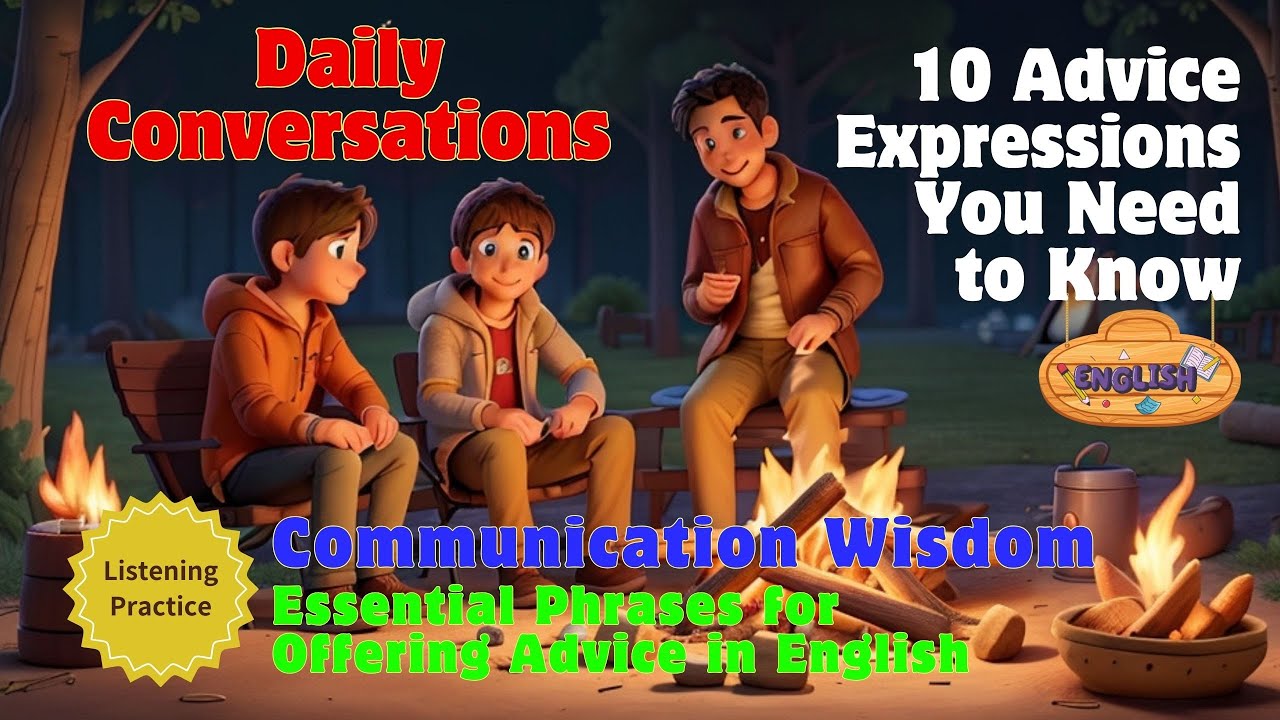
Good morning, Olivia.
सुप्रभात, ओलिविया।
Did you sleep well last night?
क्या आपकी रात अच्छी बीती?
Hey, Ryan.
हे, रयान।
I did, but I woke up a little early today.
हाँ, लेकिन आज मैं थोड़ी जल्दी उठ गया।
The birds outside were singing so loudly.
बाहर के पक्षी बहुत ज़ोर से चहचहा रहे थे।
What about you?
आपके बारे में क्या?
Same here.
मेरे साथ भी ऐसा ही हुआ।
I made myself a big cup of coffee and watched the sunrise.
मैंने अपने लिए एक बड़ा कप कॉफी बनाई और सूर्योदश देखी।
It was beautiful.
वह बहुत सुंदर था।
You know, mornings like this make me want to talk about life and friends.
आप जानते हैं, ऐसे सुबह के समय मुझे जीवन और दोस्तों के बारे में बात करने का मन करता है।
Oh, speaking of friends, that reminds me.
ओह, दोस्तों की बात आ गई, यह मुझे याद दिला रहा है।
Today, we're talking about something super useful, how to give advice to a friend.
आज, हम कुछ बहुत उपयोगी के बारे में बात कर रहे हैं, एक दोस्त को सलाह कैसे दें।
Exactly.
बिल्कुल सही।
Sometimes our friends feel sad, confused, or need help.
कभी-कभी हमारे दुखी, भ्रमित महसूस करते हैं, या मदद की ज़रूरत होती है।
But giving advice isn't always easy, right?
लेकिन सलाह देना हमेशा आसान नहीं होता, है न?
Yes.
हाँ।
And today, we'll learn how to do it in English, step by step.
और आज, हम सीखेंगे कि इसे अंग्रेज़ी में कैसे करें, कदम-दर-कदम।
We'll talk about what to say, how to say it kindly, and what expressions to use.
हम बात करेंगे कि क्या कहना है, इसे दयालुता से कैसे कहना है, और किस अभिव्यक्ति का उपयोग करना है।
And hey, before we start, make sure to subscribe, like, and share this video with your friends.
और हे, शुरू करने से पहले, सुनिश्चित करें कि आप इस वीडियो को सब्सक्राइब, लाइक करें और अपने दोस्तों के साथ शेयर करें।
Because who knows, they might need your good advice too.
क्योंकि कौन जानता है, उन्हें भी आपकी अच्छी सलाह की ज़रूरत हो सकती है।
That's right.
यही सही है।
Let's begin.
चलिए शुरू करते हैं।
First, let's talk about why we give advice.
पहले, आइए बात करें कि हम सलाह क्यों देते हैं।
We give advice when someone needs help or when they have a problem.
हम सलाह देते हैं जब किसी को मदद की ज़रूरत होती है या जब उनके पास कोई समस्या होती है।
For example, your friend might say, I don't know what to do about my exam.
उदाहरण के लिए, आपका दोस्त कह सकता है, मुझे मेरी परीक्षा के बारे में क्या करना है, यह नहीं पता।
Or, I feel nervous about a new job.
या, मुझे नौकरी के बारे में घबराहट हो रही है।
And giving advice means we try to help people.
और सलाह देना इसका मतलब है कि हम लोगों की मदद करने की कोशिश करते हैं।
them with kind words.
उनसे दयालु शब्दों से।
We don't tell them what to do.
हम उन्हें यह नहीं बताते कि क्या करना है।
We just suggest what might be good for them.
हम बस सुझाव देते हैं कि उनके लिए क्या अच्छा हो सकता है।
Right.
सही।
A good friend listens first, then gives advice.
एक अच्छा दोस्त पहले सुनता है, फिर सलाह देता है।
Listening is very important.
सुनना बहुत ज़रूरी है।
Yes.
हाँ।
So, before giving advice, always listen carefully.
तो, सलाह देने से पहले, हमेशा ध्यान से सुनें।
You can say something like, I understand, or that sounds difficult.
आप कुछ ऐसा कह सकते हैं, मुझे समझ आ रहा है, या यह मुश्किल लग रहा है।
It shows you care.
यह दिखाता है कि आपको फिक्र है।
Okay, let's learn some simple English phrases you can use when giving advice.
ठीक है, आइए कुछ सरल अंग्रेज़ी वाक्यांश सीखें जिन्हें आप सलाह देते समय उपयोग कर सकते हैं।
The first one is, you should.
पहला यह है, आपको चाहिए।
For example, you should talk to your teacher or you should get some rest.
उदाहरण के लिए, आप अपने शिक्षक से बात कर सकते हैं या आपको कुछ आराम करना चाहिए।
Another one is, if I were you, I would, for example, if I were you, I would study a little more or if I were you, I'd take a break.
एक और तरीका है, 'अगर मैं आपकी जगह होता', उदाहरण के लिए, अगर मैं आपकी जगह होता तो मैं थोड़ा और पढ़ता या अगर मैं आपकी जगह होता तो मैं एक ब्रेक लेता।
Yes, you can also say, maybe you can, for example, maybe you can call your friend and say sorry.
हाँ, आप यह भी कह सकते हैं, 'शायद आप' उदाहरण के लिए, शायद आप अपने दोस्त को कॉल करें और माफ़ी मांगें।
It sounds friendly and soft.
यह दोस्ताना और नरम लगता है।
And don't forget this one.
और यह भूलना मत।
Why don't you, for example, why don't you try again?
आप ऐसा क्यों नहीं करते, उदाहरण के लिए, आप फिर से कोशिश क्यों नहीं करते?
Or why don't you ask for help?
या आप मदद क्यों नहीं मांगते?
It sounds very natural in conversation.
बातचीत में यह बहुत स्वाभाविक लगता है।
These are very common in English.
ये अंग्रेजी में बहुत आम हैं।
If you practice them, you'll sound more natural when you talk to friends.
अगर आप इनका अभ्यास करेंगे, तो आप दोस्तों से बात करते समय अधिक स्वाभाविक लगेंगे।
Let's look at an example.
आइए एक उदाहरण देखते हैं।
Olivia, imagine I'm your friend and I have a problem.
ओलिविया, कल्पना करो कि मैं तुम्हारा दोस्त हूं और मुझे एक समस्या है।
Okay.
ठीक है।
What's wrong, Ryan?
क्या हुआ है, रियन?
Hmm.
हम्म।
I'm feeling very tired lately.
हाल ही में मैं बहुत थका हुआ महसूस कर रहा हूं।
I don't sleep enough because I stay up late watching videos.
मुझे पर्याप्त नींद नहीं आती क्योंकि मैं वीडियो देखने देर तक जागा रहता हूं।
Oh, that's not good.
ओह, यह अच्छा नहीं है।
You should sleep earlier.
आपको जल्दी सोना चाहिए।
Maybe you can set a bedtime alarm.
शायद आप सोने का अलार्म सेट कर सकते हैं।
Yeah, maybe you're right.
हाँ, शायद आप सही कह रहे हैं।
I think I need better habits.
मुझे लगता है मुझे बेहतर आदतों की जरूरत है।
If I were you, I would stop watching videos after 10 p.m. You can relax by reading or listening to music instead.
अगर मैं आपकी जगह होता, तो मैं रात के 10 बजे के बाद वीडियो देखना बंद कर देता। आप इसके बजाय पढ़कर या संगीत सुनकर आराम कर सकते हैं।
That's a great idea.
यह एक बहुत अच्छा विचार है।
Thanks for the advice, Olivia.
सलाह के लिए धन्यवाद, ओलिविया।
See?
देखा?
It's simple.
यह सरल है।
Just listen, understand, and give helpful words.
बस सुनें, समझें और उपयोगी शब्द दें।
Now, your turn.
अब आपकी बारी।
Think about this.
इसके बारे में सोचिए।
Your friend is nervous about speaking English.
आपका दोस्त अंग्रेजी बोलने के बारे में घबरा रहा है।
What advice would you give?
आप क्या सलाह देंगे?
Comment your answer below.
नीचे अपनी टिप्पणी लिखें।
You can write something like, you should practice every day, or maybe you can watch English videos.
आप कुछ इस तरह लिख सकते हैं, आपको हर दिन अभ्यास करना चाहिए, या शायद आप अंग्रेजी वीडियो देख सकते हैं।
That's right.
यह सही है।
We'd love to see your ideas in the comments.
हमें कमेंट्स में आपके विचार देखना अच्छा लगेगा।
When you give advice, remember, your tone and words should be kind.
जब आप सलाह देते हैं, तो याद रखें, आपका स्वर और शब्द दयालु होने चाहिए।
You can say things like, don't worry, everything will be okay.
आप ऐसे चीजें कह सकते हैं, चिंता मत करो, सब ठीक हो जाएगा।
I understand how you feel.
मुझे समझ आता है कि आप कैसा महसूस कर रहे हैं।
You're doing your best.
आप अपनी पूरी कोशिश कर रहे हैं।
Take it easy.
आराम से रहें।
These make you friend feel supported.
इससे आपके दोस्त को समर्थन का अहसास होता है।
It's not only about advice.
यह केवल सलाह देने के बारे में नहीं है।
It's about showing care.
यह देखभाल दिखाने के बारे में है।
Yes.
हाँ।
Words can make someone's day better.
शब्द किसी के दिन को बेहतर बना सकते हैं।
A kind word can change how a person feels.
एक दयालु शब्द व्यक्ति की भावनाओं को बदल सकता है।
Now, let's talk about what not to do when giving advice.
अब, आगे बढ़कर सलाह देते समय क्या न करना चाहिए, इसके बारे में बात करते हैं।
Don't be bossy.
झंझटियाँ या हुक्म चलाना बंद करें।
Avoid saying things like, you must do this or you have to do that.
ऐसी बातों से बचें जैसे, आपको यह करना चाहिए या आपको वह करना होगा।
It can sound rude or too strong.
यह रूखा या बहुत कठोर लग सकता है।
Instead, use softer language like, maybe you could or you might want to.
इसके बजाय, शायद आप कर सकते हैं या आप चाहेंगे, जैसे कि हल्की भाषा का उपयोग करें।
It sounds friendly and polite.
यह मित्रतापूर्ण और विनम्र लगता है।
Another mistake is not listening.
एक अन्य गलती है सुनने से चूक जाना।
If you talk too much, your friend may feel you don't understand.
अगर आप बहुत ज्यादा बोलते हैं, तो आपका दोस्त सोच सकता है कि आप समझ नहीं रहे हैं।
So listen first, then speak.
तो पहले सुनें, फिर बोलें।
That's the golden rule of advice.
यह सलाह देने का स्वर्ण नियम है।
Let's practice.
आइए अभ्यास करें।
I'll say a situation and you give advice.
मैं एक स्थिति बताऊंगा और आप सलाह देंगे।
Ready?
तैयार?
Okay, let's go.
ठीक है, चलिए शुरू करते हैं।
Situation one.
स्थिति एक।
Your friend failed an exam.
आपका दोस्त परीक्षा में फेल हो गया है।
Hmm.
हम्म।
I'd say don't give up.
मैं कहूंगा कि हार मत मानो।
Maybe you can talk to your teacher.
शायद आप अपने शिक्षक से बात कर सकते हैं।
Perfect.
बिल्कुल सही।
Situation two.
स्थिति दो।
Your friend feels lonely.
आपका दोस्त अकेलापन महसूस कर रहा है।
Hmm.
हम्म।
You should call your family or meet some friends.
आपको अपने परिवार को कॉल करना चाहिए या कुछ दोस्तों से मिलना चाहिए।
Good job.
शाबाश।
Situation three.
स्थिति तीन।
Your friend wants to get fit.
आपका दोस्त फिट होने की इच्छा रखता है।
Why don't you start walking every morning?
आप हर सुबह चलना क्यों शुरू नहीं करते?
That's great advice.
यह बहुत अच्छी सलाह है।
Viewers, what would you say in these situations?
दर्शकों, आप इन स्थितियों में क्या कहेंगे?
Write in the comments.
टिप्पणी में लिखें।
Sometimes the best advice is no advice.
कभी-कभी सबसे अच्छी सलाह कोई सलाह नहीं होती है।
Yes, that's true.
हाँ, यह सच है।
Some friends only want you to listen, not to fix their problems.
कभी-कभी दोस्त सिर्फ यह चाहते हैं कि आप सुनें, न कि उनके समस्याओं को हल करें।
You can say, I'm here for you, or that sounds tough, and that's enough.
आप कह सकते हैं, 'मैं आपके लिए यहाँ हूँ' या 'यह मुश्किल लग रहा है', और बस इतना ही काफी है।
It shows that you care.
इससे दिखाई देता है कि आपको परवाह है।
Listening is powerful.
सुनना शक्तिशाली होता है।
In English-speaking countries, people often give advice politely.
अंग्रेजी बोलने वाले देशों में लोग अक्सर सलाह विनम्रता से देते हैं।
For example, they don't say, Do this!
उदाहरण के लिए, वे नहीं कहते, 'यह करो!'
They say, maybe you can try this.
वे कहते हैं, 'शायद आप इसे आजमा सकते हैं।'
Yes, it's not only what you say, but how you say it.
हाँ, यह केवल यह नहीं है कि आप क्या कहते हैं, बल्कि यह भी है कि आप कैसे कहते हैं।
Soft, friendly language is key.
मुलायम और मित्रवत भाषा कुंजी है।
So when you practice English, try to sound kind and calm, like you're helping, not ordering.
तो जब आप अंग्रेजी का अभ्यास करते हैं, तो दयालु और शांत दिखने की कोशिश करें, जैसे आप मदद कर रहे हों, आदेश नहीं दे रहे हों।
Let me tell you a short story.
मुझे आपको एक छोटी सी कहानी सुनाऊँ।
Once, my friend was very sad because she didn't get the job she wanted.
एक बार, मेरी दोस्त बहुत उदास थी क्योंकि उसे उस नौकरी पर चयन नहीं हुआ था जो वह चाहती थी।
Oh, no.
ओह, नहीं।
What did you do?
आपने क्या किया?
I listened first.
मैंने पहले सुना।
Then I said, don't worry, something better will come.
फिर मैंने कहा, चिंता मत करो, कुछ बेहतर जरूर आएगा।
A week later, she got a new job even better than the first one.
एक हफ्ते बाद, उसे पहली नौकरी से भी बेहतर एक नई नौकरी मिल गई।
Wow, that's amazing.
वाह, यह अद्भुत है।
Sometimes good advice and positive words can really change someone's life.
कभी-कभी अच्छी सलाह और सकारात्मक शब्द वास्तव में किसी के जीवन को बदल सकते हैं।
Exactly.
बिल्कुल सही।
So always use your words to lift people up, not bring them down.
तो हमेशा अपने शब्दों का उपयोग लोगों को ऊपर उठाने के लिए करें, नीचे लाने के लिए नहीं।
Okay, let's quickly review what we learned today.
ठीक है, आइए आज हमने जो सीखा है उसका जल्दी से अवलोकन करें।
Number one, listen first, then speak.
नंबर एक, पहले सुनें, फिर बोलें।
Number two, use kind and soft phrases like, maybe you can, or you should.
नंबर दो, दयालु और मुलायम वाक्यांशों का उपयोग करें जैसे, 'शायद आप कर सकते हैं', या 'आपको चाहिए'।
Number three, don't be bossy.
नंबर तीन, अधिकारी बनकर बात न करें।
Give advice, not orders.
सलाह दें, आदेश नहीं।
Number four, be polite, caring, and friendly.
नंबर चार, विनम्र, देखभाल करने वाले और मित्रवत रहें।
Great!
शानदार!
And remember, practice makes perfect.
और याद रखें, अभ्यास से पूर्णता आती है।
Try giving advice in English today.
आज अंग्रेजी में सलाह देने की कोशिश करें।
Maybe talk to your friend and help them with something small.
शायद अपने दोस्त से बात करें और उन्हें किसी छोटी चीज़ में मदद करें।
So friends, now you know how to give advice in English the kind way.
तो दोस्तों, अब आप जानते हैं कि अंग्रेजी में दयालु तरीके से सलाह कैसे दें।
We hope you learned something new today.
हमें उम्मीद है कि आज आपने कुछ नया सीखा होगा।
If you did, give this video a big thumbs up.
अगर ऐसा है, तो इस वीडियो को बड़ा थम्स अप दें।
And don't forget to subscribe to our channel so you don't miss the next video.
और अगले वीडियो को न चूकने के लिए हमारे चैनल को सब्सक्राइब करना न भूलें।
In the next lesson, we'll talk about expressing feelings in English, another very useful topic.
अगली कक्षा में, हम अंग्रेजी में भावनाओं को व्यक्त करने के बारे में बात करेंगे, जो एक और बहुत उपयोगी विषय है।
That's going to be fun.
यह मज़ेदार होने वाला है।
Until next time, keep learning, keep speaking, and keep helping your friends.
अगली बार तक, सीखते रहें, बोलते रहें, और अपने दोस्तों की मदद करते रहें।
See you soon, everyone!
जल्द ही मिलेंगे, सभी दोस्तों!
Thank you.
धन्यवाद।