Hi, everybody.
नमस्ते सभी लोगों को।
Welcome to www.engvid.com.
www.engvid.com में आपका स्वागत है।
I'm Adam.
मैं एडम हूँ।
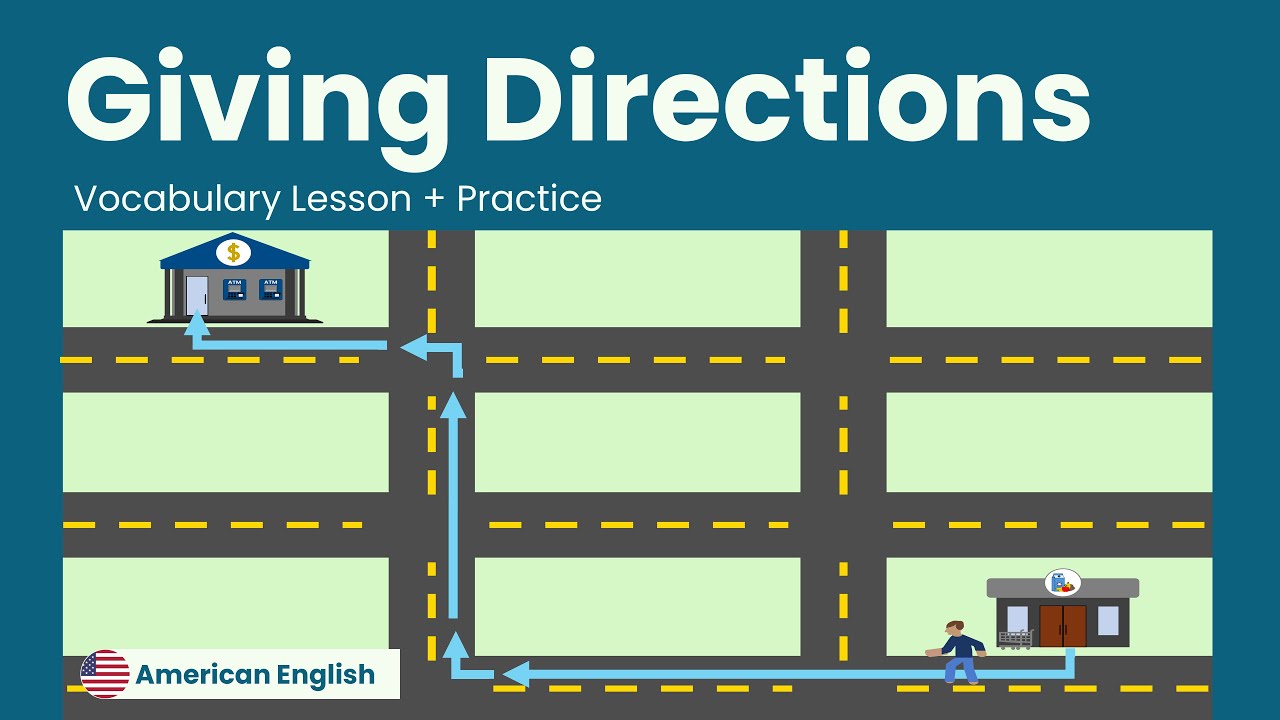
In today's video, I want to show you ways to ask for and give directions.
आज के वीडियो में, मैं आपको रास्ता पूछने और रास्ता बताने के तरीके दिखाना चाहता हूँ।
For example, if you're going to travel to another country; or travelers are in your city, and they need some help — you can help them.
उदाहरण के लिए, अगर आप किसी दूसरे देश में यात्रा करने जा रहे हैं; या आपके शहर में पर्यटक हैं और उन्हें कुछ मदद की ज़रूरत है — तो आप उनकी मदद कर सकते हैं।
It's a little bit of a beginner lesson, so I'll speak a little bit more slowly.
यह थोड़ा बुनियादी पाठ है, इसलिए मैं थोड़ी धीमी गति से बोलूँगा।
And I'm going to give you a set of questions, I'm going to give you some vocabulary.
और मैं आपको एक सेट प्रश्न दूँगा, मैं आपको कुछ शब्दावली दूँगा।
And the most important thing you need to understand is the verbs that you're going to have to use in order to help somebody find their way.
और सबसे महत्वपूर्ण बात जिसे आपको समझने की ज़रूरत है वह क्रियाएँ (verbs) हैं जिनका आपको किसी को रास्ता खोजने में मदद करने के लिए उपयोग करना होगा।
And I'll look at those in a moment.
और मैं उन पर एक क्षण में विचार करूँगा।
So, we're going to start with the questions.
तो, हम प्रश्नों से शुरू करेंगे।
Now, again, in English — just as in any other language — there are many ways to ask for anything, really.
अब, फिर से, अंग्रेजी में — बिल्कुल किसी अन्य भाषा की तरह ही — वास्तव में कुछ भी पूछने के कई तरीके होते हैं।
Right?
हाँ ना?
But these are the main questions that you need to know, in order to get directions and in order to understand someone who needs directions from you.
लेकिन ये मुख्य प्रश्न हैं जिन्हें आपको जानने की ज़रूरत है, ताकि आप रास्ता प्राप्त कर सकें और किसी व्यक्ति को समझ सकें जो आपको रास्ता बता रहा है।
So, the more common...
तो, अधिक सामान्य...
most common question is: "How can I get to..."
सबसे आम प्रश्न है: "How can I get to..." (मैं ... तक कैसे पहुँच सकता हूँ?)
whatever place it is.
चाहे वह कोई भी स्थान हो।
"How can I get to the train station?", "How can I get to the museum?", "How can I get to" whatever is a tourist attraction in a city; your city, other cities, etcetera.
"How can I get to the train station?" (रेलवे स्टेशन तक मैं कैसे पहुँच सकता हूँ?), "How can I get to the museum?" (म्यूज़ियम तक मैं कैसे पहुँच सकता हूँ?), "How can I get to" जो भी शहर में एक पर्यटन स्थल है; आपका शहर, अन्य शहर, आदि।
Or, more direct: "Where is something?"
या, अधिक सीधा: "Where is something?" (कहीं कहाँ है?)
Now, a little bit, you have to keep in mind that if you're in certain countries...
अब, थोड़ा सा, आपको इस बात को ध्यान में रखना होगा कि अगर आप किसी विशेष देशों में हैं...
for example, in Canada, you can't really go up to a person and say: "Where is the train station?"
उदाहरण के लिए, कनाडा में, आप वास्तव में किसी व्यक्ति के पास जाकर नहीं कह सकते: "Where is the train station?" (रेलवे स्टेशन कहाँ है?)
Canadians are a little bit more polite, I guess you could say; a little bit softer, so it's better to have an indirect question, like this one: "Can you tell me where something is?"
कनाडावाले थोड़े अधिक विनम्र हैं, मुझे लगता है आप ऐसा कह सकते हैं; थोड़े नरम स्वभाव के, इसलिए एक अप्रत्यक्ष प्रश्न होना बेहतर होता है, जैसे यह एक: "Can you tell me where something is?" (क्या आप मुझे बता सकते हैं कि कहीं कहाँ है?)
Or: "Can you tell me how to get to?"
या: "Can you tell me how to get to?" (क्या आप मुझे बता सकते हैं कि ... तक कैसे जाएँ?)
Now, very important to remember: If you're asking a direct question, like just the question: "Where is the place?"
अब, याद रखना बहुत ज़रूरी है: अगर आप एक सीधा प्रश्न पूछ रहे हैं, जैसे सिर्फ़ प्रश्न: "Where is the place?" (वह स्थान कहाँ है?)
If you're asking an indirect question, this is actually the question word: "Can" or "Do".
अगर आप एक अप्रत्यक्ष प्रश्न पूछ रहे हैं, तो यह वास्तव में प्रश्नवाचक शब्द है: "Can" या "Do"।
So, this is now turned into a noun clause.
तो, अब यह एक संज्ञा वाक्य (noun clause) में बदल गया है।
Right?
हाँ ना?
So, then: "where something is", and the "is" comes after the place you're going to.
तो, फिर: "where something is", और "is" उस स्थान के बाद आता है जहाँ आप जा रहे हैं।
The "is" comes before the place you're going to, so make sure you understand the correct structure of the question.
"is" उस स्थान के पहले आता है जहाँ आप जा रहे हैं, इसलिए सुनिश्चित करें कि आप प्रश्न की सही संरचना को समझते हैं।
And...
और...
but, ideally, use the indirect question; it's a little bit softer, a little bit more polite.
लेकिन, आदर्श रूप से, अप्रत्यक्ष प्रश्न का उपयोग करें; यह थोड़ा नरम, थोड़ा अधिक विनम्र होता है।
So: "Can you tell me how to get to the train station?", "Do you know where the train station is?"
तो: "क्या आप मुझे बता सकते हैं कि ट्रेन स्टेशन तक कैसे जाएं?", "क्या आपको पता है कि ट्रेन स्टेशन कहाँ है?"
Or you can use both of these clauses with either question.
या आप इन दोनों वाक्यांशों का प्रयोग किसी भी प्रश्न के साथ कर सकते हैं।
Now, another way to ask is: "What's the fastest way to get to...?"
अब, पूछने का एक और तरीका है: "...पहुंचने का सबसे तेज़ रास्ता क्या है?"
You don't actually even have to use: "to get".
आपको वास्तव में "पहुंचने" (to get) का प्रयोग करने की आवश्यकता नहीं है।
"What's the fastest way to the train station?"
"ट्रेन स्टेशन पहुंचने का सबसे तेज़ रास्ता क्या है?"
is okay.
यह ठीक है।
But "to get" makes it a little bit more clear.
लेकिन "पहुंचने" (to get) जोड़ने से यह थोड़ा और स्पष्ट हो जाता है।
And when you ask someone: "What's the fastest way?"
और जब आप किसी से पूछते हैं: "सबसे तेज़ रास्ता क्या है?"
they understand that you want directions, and they will explain to you how to get to the place.
वे समझ जाते हैं कि आपको दिशा-निर्देश चाहिए, और वे आपको उस स्थान तक पहुंचने का तरीका समझाएंगे।
Now, very, very important that you study these words.
अब, ये शब्द बहुत ही महत्वपूर्ण हैं, इसलिए इन्हें अच्छी तरह याद करें।
Okay?
ठीक है?
All of these are prepositions of place.
ये सभी स्थान के पूर्वसर्ग (prepositions of place) हैं।
You must understand how they are used and when they are used in order to understand directions.
दिशा-निर्देशों को समझने के लिए आपको यह समझना होगा कि उनका प्रयोग कैसे और कब किया जाता है।
So, when someone is explaining it to you, they're going to use all of these words; and a few other things that I'll mention in a moment.
तो, जब कोई व्यक्ति आपको इसे समझा रहा होता है, तो वह इन सभी शब्दों का प्रयोग करेगा; और कुछ अन्य बातें जिनका मैं अभी उल्लेख करूंगा।
So, I kind of ran out of room, so I put "past" at the top.
तो, मेरे पास जगह कम थी, इसलिए मैंने "पास" (past) को ऊपर रखा है।
But "past": "Go past the first building, and the second building is the one you want."
लेकिन "पास": "पहली इमारत के पास से गुजरें, और दूसरी इमारत वही है जिसे आप चाहते हैं।"
So, "past" means, like, after — that's one.
तो, "पास" का मतलब है, जैसे कि बाद में — यानी एक।
"At or on the corner of A Street and B Street".
"A सड़क और B सड़क के मोड़ पर या A सड़क और B सड़क के कोने पर।"
"At the corner" means general area; "on the corner" means a specific corner.
"मोड़ पर" (At the corner) का मतलब सामान्य क्षेत्र है; "कोने पर" (on the corner) का मतलब एक विशिष्ट कोना है।
But, again, that's a different lesson altogether.
लेकिन, फिर से, यह बिल्कुल अलग पाठ्यक्रम है।
Both of these will work just fine.
इनमें से दोनों ठीक काम करेंगे।
"Kitty corner".
"किटी कॉर्नर" (Kitty corner - विकर्ण विपरीत कोना)।
So, "kitty corner" is basically when you have a situation.
तो, "किटी कॉर्नर" मूल रूप से तब होता है जब आपके पास एक स्थिति होती है।
So, you...
तो, आप...
you have an intersection.
आपके पास एक चौराहा (intersection) होता है।
Okay?
ठीक है?
If something is here, this is "kitty corner" — the opposite corner.
यदि कुछ यहाँ है, तो यह "किटी कॉर्नर" है — विपरीत कोना।
This is simply across the street.
यह बस सड़क के पार है।
This is "kitty corner", when you're going in a diagonal.
यह "किटी कॉर्नर" है, जब आप विकर्ण (diagonal) में जा रहे हों।
Okay?
ठीक है?
So, that's important to remember.
तो, इसे याद रखना महत्वपूर्ण है।
Not everybody uses this particular expression, but some people might use it; it's good to understand it.
हर कोई इस विशेष अभिव्यक्ति का प्रयोग नहीं करता है, लेकिन कुछ लोग इसका प्रयोग कर सकते हैं; इसे समझना अच्छा है।
"Next to", so "next to"; "beside" — same idea.
"बगल में" (Next to), तो "बगल में"; "साइड में" (Beside) — एक ही विचार।
"Near".
"नजदीक" (Near)।
"Near" is a little bit vague, so try not to use: "near" or "close to", but sometimes it's good enough, and you'll understand why in a moment.
"नजदीक" थोड़ा अस्पष्ट है, इसलिए प्रयास करें कि "नजदीक" या "नजदीक" का प्रयोग न करें, लेकिन कभी-कभी यह काफी अच्छा होता है, और आप बाद में समझ जाएंगे कि क्यों।
"Not far from" — same.
"दूर नहीं" (Not far from) — वही।
"In front of", "in front of", "behind", obviously.
"सामने" (In front of), "सामने", "पीछे", स्पष्ट रूप से।
"Across the street from".
"सड़क के पार" (Across the street from)।
So, "across the street from" something.
तो, किसी चीज़ के "सड़क के पार"।
"Between the bank and the library is the building you're looking for."
"बैंक और लाइब्रेरी के बीच वह इमारत है जिसकी आप तलाश कर रहे हैं।"
So, "between" two things.
तो, "बीच" में दो चीज़ें।
Make sure you always remember: "Between", "and" go together, when you're talking about relationship of place.
हमेशा याद रखें: "बीच" और "और" साथ में आते हैं, जब आप स्थान के संबंध की बात कर रहे हों।
"On the left" or "on the right".
"बाएँ पर" या "दाएँ पर"।
So: "If you're walking down the street, you will see that store on your right; you will see that store on your left", depending where it is.
तो: "अगर आप सड़क से चल रहे हैं, तो आपको वह दुकान आपके दाहिने ओर दिखाई देगी; वह दुकान आपके बाएँ ओर दिखाई देगी", यह इस बात पर निर्भर करता है कि वह कहाँ है।
Where are we?
हम कहाँ हैं?
So, now, if you come to North America, for example — Canada, the US — most of the cities here are based on a grid.
तो, अब, अगर आप उत्तरी अमेरिका आते हैं, उदाहरण के लिए — कनाडा, अमेरिका — यहाँ अधिकांश शहर ग्रिड (जालीदार व्यवस्था) पर आधारित हैं।
A "grid" means that streets go one, two, three, four; one, two, three, four.
"ग्रिड" का मतलब है कि सड़कें एक, दो, तीन, चार; एक, दो, तीन, चार जाती हैं।
It's very much like a Tic-Tac-Toe map; looks like.
यह बहुत कुछ टिक-टैक-टो (Tic-Tac-Toe) नक्शा जैसा है; ऐसा दिखता है।
In Europe, streets go, like, bendy and winding, and all over the place.
यूरोप में, सड़कें मुड़ती-फुड़ती और इधर-उधर जाती हैं।
So, in Europe, they don't really use: "to the north", "to the east", "west", etcetera.
तो, यूरोप में, वे वास्तव में उपयोग नहीं करते: "उत्तर की ओर", "पूर्व की ओर", "पश्चिम", आदि।
In North America, they use this a lot because it's much easier to explain: "Go north on Fifth Avenue, head east on Eighth Street, and you'll get to where you're going."
उत्तरी अमेरिका में, वे इसे बहुत उपयोग करते हैं क्योंकि समझाना बहुत आसान है: "पांचवीं एवेन्यू पर उत्तर की ओर जाएं, आठवीं स्ट्रीट पर पूर्व की ओर बढ़ें, और आप अपने गंतव्य तक पहुँच जाएंगे।"
So, we use: "north", "east", "south", and "west" a lot, so make sure you understand how these directions work.
तो, हम "उत्तर", "पूर्व", "दक्षिण", और "पश्चिम" का बहुत उपयोग करते हैं, इसलिए सुनिश्चित करें कि आप इन दिशाओं को कैसे काम करती हैं, इसे समझ लें।
Mainly, what you need to understand is: Where is north?
मुख्य रूप से, आपको क्या समझना है: उत्तर कहाँ है?
So, when you're standing on a street, always try to get an idea of: "Where is north?"
तो, जब आप सड़क पर खड़े होते हैं, तो हमेशा प्रयास करें कि पता लगाएं: "उत्तर कहाँ है?"
and then you know all the other ones.
और तब आपको अन्य सभी दिशाएं पता होती हैं।
It's...
यह...
this is called: "orientation".
इसे कहते हैं: "ओरिएंटेशन (दिशा ज्ञान)"।
So, when you go to a new city, become oriented with the layout of the...
तो, जब आप किसी नए शहर जाते हैं, तो... के लेआउट के साथ परिचित हो जाएं।
of the map; of the grid.
नक्शे के; ग्रिड के।
Always get a map, figure out: "Which way is north?"
हमेशा एक नक्शा लें, पता लगाएं: "उत्तर किस तरफ है?"
and then you'll start to understand.
और तब आप समझना शुरू कर देंगे।
So, "to the north" means in the direction of north, "on the west side".
तो, "उत्तर की ओर" का मतलब उत्तर की दिशा में है, "पश्चिम की ओर"।
So, sometimes somebody will say something is "at the intersection", but you want to be more specific, so they'll...
तो, कभी-कभी कोई व्यक्ति कहता है कि कोई चीज़ "चौराहे पर" है, लेकिन आप अधिक विशिष्ट होना चाहते हैं, तो वे...
they will tell you: "It's on the northwest side of the intersection", because there are four.
वे आपको बताएंगे: "यह चौराहे के उत्तर-पश्चिम हिस्से पर है", क्योंकि चार हिस्से होते हैं।
So, if they want to specify...
तो, अगर वे स्पष्ट करना चाहते हैं...
For example, if you're looking for a store, but the store doesn't have a sign on the street — it's inside a building, for example — so you'll say: "The store is on the buil-...
उदाहरण के लिए, अगर आप एक दुकान ढूंढ रहे हैं, लेकिन दुकान पर सड़क पर कोई बोर्ड नहीं है — उदाहरण के लिए, यह एक भवन के अंदर है — तो आप कहेंगे: "दुकान उस भवन के... पर है।"
is inside the building on the northwest corner, in the basement.
यह भवन के उत्तर-पश्चिम कोने पर, बेसमेंट में है।
Go there, and you'll find it no problem."
वहाँ जाएं, और आपको बिना किसी समस्या के मिल जाएगा।"
Okay?
ठीक है?
So, you must understand all of these words in order to give and receive instructions and directions.
तो, आपको निर्देश और दिशा देने और प्राप्त करने के लिए इन सभी शब्दों को समझना होगा।
Now, most importantly, you have to get comfortable with the verbs.
अब, सबसे महत्वपूर्ण बात, आपको क्रियाओं (verbs) के साथ सहज होना होगा।
So, let's look at those next.
तो, चलिए अब उन पर देखते हैं।
Okay.
ठीक है।
So, now, we actually get to the hard part; this is where people sometimes get lost.
तो, अब, हम वास्तव में कठिन हिस्से पर पहुंचते हैं; यहीं पर लोग कभी-कभी भटक जाते हैं।
Because, remember: If you are giving instructions, you can stick to one or two verbs, and just use it over and over again, and people will understand.
क्योंकि, याद रखें: यदि आप निर्देश दे रहे हैं, तो आप एक या दो क्रियाओं पर टिक सकते हैं और उन्हें बार-बार उपयोग कर सकते हैं, और लोग समझ जाएंगे।
But when you are the one asking for instructions, and you're asking a native-English speaker, there's many ways to describe or to give directions to describe how to get somewhere.
लेकिन जब आप निर्देश मांगने वाले होते हैं, और आप एक अंग्रेजी भाषी से बात कर रहे हैं, तो कहीं पहुंचने के तरीके को बताने के कई तरीके होते हैं।
So, be a little bit more aware of all the different ways we can actually give you directions.
इसलिए, हम आपको वास्तव में कैसे निर्देश दे सकते हैं, इसके सभी अलग-अलग तरीकों के बारे में थोड़ा अधिक जागरूक रहें।
So, we're going to look at verbs.
तो, हम क्रियाओं (verbs) पर देखेंगे।
Now, mostly, we're going to start with anything that is "walkable".
अब, ज्यादातर, हम उस चीज से शुरू करेंगे जो "पैदल जाने योग्य" है।
What this means is you can actually walk to the place; it's not very far.
इसका मतलब है कि आप वास्तव में उस जगह तक पैदल जा सकते हैं; वह बहुत दूर नहीं है।
Some places are too far; you may need to take a bus, or a subway, or a taxi, etcetera.
कुछ जगहें बहुत दूर हैं; आपको शायद बस, मेट्रो या टैक्सी लेनी पड़ सकती है, आदि।
So, if it's walkable, just give them very simple directions.
तो, यदि वह पैदल जाने योग्य है, तो उन्हें बहुत सरल निर्देश दें।
"Head" or "go".
"Head" या "go"।
"Head" and "go" are both verbs, and they essentially mean the same thing.
"Head" और "go" दोनों क्रियाएं हैं, और वे मूल रूप से एक ही अर्थ रखती हैं।
"Head straight" — just basically go straight; means the same idea.
"Head straight" — बस सीधे जाएं; इसका अर्थ वही है।
"Head up" or "down", and the name of the street, if you know the name.
"Head up" या "down", और सड़क का नाम, यदि आपको नाम पता हो।
Now, generally speaking — and again, in North America, where we have the grids — everything is in a line.
अब, सामान्य तौर पर — और फिर से, उत्तर अमेरिका में, जहां ग्रिड सिस्टम होता है — सब कुछ एक लाइन में होता है।
"Up" means "north", "down" means "south".
"Up" का मतलब "north" है, "down" का मतलब "south" है।
We don't really have "east" or "west".
हमारे पास वास्तव में "east" या "west" नहीं होता है।
"East" or "west" — say: "east" or "west".
"East" या "west" — कहें: "east" या "west"।
So: "Head up Fifth Avenue", "Head down Fifth Avenue", depending on the direction you're going.
तो: "Head up Fifth Avenue", "Head down Fifth Avenue", यह इस बात पर निर्भर करता है कि आप किस दिशा में जा रहे हैं।
Or: "Go down", "go up", "Head north on Fifth Street" or "Main Street".
या: "Go down", "go up", "Head north on Fifth Street" या "Main Street"।
Again, "north", "south", "east", "west".
फिर से, "north", "south", "east", "west"।
"Go past".
"Go past"।
"Go past the National Bank building", which you'll...
"Go past the National Bank building", जिसे आप...
you'll see easily because it's a landmark, but I'll talk about that in a second.
आसानी से देख लेंगे क्योंकि यह एक स्थानीय चिन्ह (landmark) है, लेकिन मैं इसके बारे में बाद में बात करूंगा।
So, "head" or "go" — very commonly used.
तो, "head" या "go" — बहुत आम तौर पर उपयोग किए जाते हैं।
Some people also use the verb: "follow".
कुछ लोग क्रिया "follow" भी उपयोग करते हैं।
So: "Follow this street until you get to", but, again, that's a little bit more tricky because...
तो: "Follow this street until you get to", लेकिन, फिर से, यह थोड़ा अधिक जटिल है क्योंकि...
especially if...
खासकर यदि...
if streets are straight and all that, that's fine.
यदि सड़कें सीधी हैं और ऐसा ही कुछ है, तो यह ठीक है।
This is a little bit more common in non-grid cities.
यह गैर-ग्रिड वाली शहरों में थोड़ा अधिक आम है।
So: "Follow this street" because this street bends, so just stay on the street and follow the bends until you get to somewhere.
तो: "Follow this street" क्योंकि यह सड़क मुड़ती है, इसलिए बस सड़क पर रहें और किसी जगह पहुंचने तक मुड़नों का अनुसरण करें।
"Follow until", and then whatever is going to come up.
"Follow until", और फिर जो भी सामने आए।
Then there's: "turn".
फिर वहां है: "turn"।
You can: "turn left", "turn right", "turn eastward" — means in the direction of east — "turn south".
आप: "turn left", "turn right", "turn eastward" — पूर्व की दिशा में — "turn south" कर सकते हैं।
You can say: "south" or "southward"; "east" or "eastward".
आप कह सकते हैं: "south" या "southward"; "east" या "eastward"।
Both okay.
दोनों ठीक हैं।
Now, you could also say: "Take a right", "make a left".
अब, आप यह भी कह सकते हैं: "Take a right", "make a left"।
These are only for left and right, that's why I put them in brackets.
ये केवल बाएं और दाएं के लिए हैं, इसलिए मैंने इन्हें कोष्ठक में डाला है।
You can't say: "take south", "take eastward" — that doesn't work.
आप नहीं कह सकते: "take south", "take eastward" — यह काम नहीं करेगा।
"Take a right" basically means turn right.
"Take a right" का मतलब है दाहिनी ओर मुड़ना।
"Make a left" basically means turn left.
"Make a left" का मतलब है बाईं ओर मुड़ना।
This is especially for driving.
यह विशेष रूप से गाड़ी चलाने के लिए है।
So, if you're driving and somebody is sitting next to you and giving you instructions, they'll say: "Okay.
तो, अगर आप गाड़ी चला रहे हैं और कोई आपके पास बैठकर आपको निर्देश दे रहा है, तो वह कहेगा: "ठीक है।"
Take a left over there.
वहां बाईं ओर मुड़ लें।
Make a right at the next street" or "turn" — also okay.
अगली सड़क पर दाहिनी ओर मुड़ें" या "मुड़ें" — यह भी ठीक है।
Now, if the place you're going to is not walkable; is not within walking distance, then you have to give some more instructions.
अब, अगर जगह जिसकी तरफ आप जा रहे हैं पैदल जाने योग्य नहीं है; पैदल दूरी में नहीं है, तो आपको कुछ और निर्देश देने होंगे।
So, "Take the number one line" or "number ten line", or whatever the...
तो, "नंबर वन लाइन लें" या "नंबर दस लाइन", या जो भी...
if there's a name for the subway line.
अगर मेट्रो लाइन का कोई नाम है।
Generally speaking, when we talk about "line", we talk about...
आम तौर पर, जब हम "लाइन" की बात करते हैं, तो हम बात करते हैं...
we're talking about subway or train, if it's above ground.
हम मेट्रो या ट्रेन की बात कर रहे हैं, अगर यह जमीन के ऊपर है।
"Take the number three bus".
"नंबर तीन बस लें।"
I should put a "the" here.
मुझे यहाँ "the" लगाना चाहिए था।
"Take the number three bus".
"नंबर तीन बस लें।"
Buses have numbers, so we don't really use lines; we just say the number of the bus.
बसों के पास नंबर होते हैं, इसलिए हम वास्तव में लाइनों का उपयोग नहीं करते; हम बस का नंबर ही कहते हैं।
Now, you have to be very careful about giving directions with bus or subway because in some countries, you might not be able to read the signs.
अब, बस या मेट्रो के साथ दिशा बताते समय आपको बहुत सावधान रहना होगा क्योंकि कुछ देशों में, आप संकेतों को पढ़ने में असमर्थ हो सकते हैं।
If you're coming to an English-speaking country — no problem; if you're going to other places, but are still using English to get around, you might not know the names.
अगर आप अंग्रेजी बोलने वाले देश में आ रहे हैं — कोई समस्या नहीं; अगर आप अन्य स्थानों पर जा रहे हैं, लेकिन अभी भी इधर-उधर घूमने के लिए अंग्रेजी का उपयोग कर रहे हैं, तो आपको नाम नहीं पता हो सकते हैं।
So, it's helpful if somebody tells you how many stops to go, more or less.
तो, यह मददगार होता है अगर कोई आपको बताए कि लगभग कितने स्टॉप जाना है।
So: "Go five stops.
तो: "पांच स्टॉप तक जाएं।"
Get off at the name of the station", if you know it.
स्टेशन के नाम पर उतरें", अगर आपको वह पता है।
Okay?
ठीक है?
Notice we use: "go" a lot.
ध्यान दें कि हम "go" का बहुत उपयोग करते हैं।
Now, sometimes you'll come to an intersection or you'll come to a particular place where you're on the wrong side — just "cross the street" or "go across the street", "go across the intersection", "go across the park", whatever the case may be.
अब, कभी-कभी आपको एक इंटरसेक्शन मिल सकता है या किसी विशेष स्थान पर पहुंच सकते हैं जहां आप गलत तरफ हैं — बस "सड़क पार करें" या "सड़क के पार जाएं", "इंटरसेक्शन के पार जाएं", "पार्क के पार जाएं", चाहे मामला कुछ भी हो।
Now, it's also very important that you understand the differences between street names.
अब, यह भी बहुत महत्वपूर्ण है कि आप सड़क के नामों के बीच के अंतर को समझें।
We can say: "Avenue", "Road", "Street", "Boulevard".
हम कह सकते हैं: "Avenue", "Road", "Street", "Boulevard"।
These are the main names of streets.
ये सड़कों के मुख्य नाम हैं।
There are smaller streets that you don't really need to worry about at the moment; these are the main ones you're going to come across.
छोटी सड़कें हैं जिनके बारे में आपको अभी चिंता करने की जरूरत नहीं है; ये वे मुख्य सड़कें हैं जिनका सामना आपको होने वाला है।
So: "Turn...
तो: "मुड़ें..."
turn south at Fifth Avenue", "turn left on Main Street".
फिफ्थ एवेन्यू पर दक्षिण की ओर मुड़ें", मेन स्ट्रीट पर बाईं ओर मुड़ें।
You can also say: "onto".
आप "onto" भी कह सकते हैं।
So, this is, again, more for driving: "Turn onto Main Street and go straight" or "go east", whatever the case may be.
तो, यह फिर से, गाड़ी चलाने के लिए अधिक है: "मेन स्ट्रीट पर मुड़ें और सीधे जाएं" या "पूर्व की ओर जाएं", चाहे मामला कुछ भी हो।
Now, sometimes they're going to give you relative directions.
अब, कभी-कभी वे आपको सापेक्ष दिशाएं देंगे।
They're going to tell you how to get to one place; and then from this place, they're going to give you further directions.
वे आपको एक जगह तक कैसे पहुंचना है, यह बताएंगे; और फिर इस जगह से, वे आपको आगे की दिशाएं देंगे।
So: "When you get to the intersection", "when you get to the mall", "when you get to the park, turn left", "go straight", "head down", "look for".
तो: "जब आप इंटरसेक्शन पर पहुंच जाएं", "जब आप मॉल पर पहुंच जाएं", "जब आप पार्क पर पहुंच जाएं, बाईं ओर मुड़ें", "सीधे जाएं", "नीचे जाएं", "देखें।"
"Look for" is very, very useful because now we're introducing "landmarks".
"Look for" बहुत, बहुत उपयोगी है क्योंकि अब हम "landmarks" (प्रसिद्ध स्थल/निशान) पेश कर रहे हैं।
"Landmarks" are things, or objects, or situations that are very easy to see; very recognizable.
"Landmarks" वे चीजें, वस्तुएं या स्थितियां हैं जो देखने में बहुत आसान होती हैं; बहुत पहचानी जाने वाली।
The people who live in a place — everybody knows what this place is, so it's easy to point out.
उस जगह के लोग — हर कोई जानता है कि यह जगह क्या है, इसलिए इसे दिखाना आसान है।
Now, "landmarks" can be "buildings"; and they're big, so they're easy to see.
अब, "landmarks" इमारतें हो सकती हैं; और वे बड़ी होती हैं, इसलिए देखना आसान होता है।
You can see them from a distance.
आप उन्हें दूर से देख सकते हैं।
They can be "bridges" in some places, like in San Francisco: "The Golden Gate Bridge" is a landmark.
कुछ जगहों पर वे "bridges" (पुल) हो सकते हैं, जैसे सैन फ्रांसिस्को में: "The Golden Gate Bridge" एक landmark है।
They can be "monuments" — these are special constructions, like, to remember...
वे "monuments" (स्मारक) हो सकते हैं — ये विशेष निर्माण होते हैं, जैसे, याद रखने के लिए...
to remember a war, or fallen soldiers; or just a special person from history, like a president or a local hero, etcetera.
एक युद्ध को, या शहीद सैनिकों को; या सिर्फ इतिहास से किसी खास व्यक्ति को, जैसे एक राष्ट्रपति या स्थानीय हीरो, आदि को याद रखने के लिए।
It could be "statues", it could be "plaques", it could be all kinds of things.
वह "statues" (मूर्तियां) हो सकता है, वह "plaques" (फलेट/पट्टिकाएं) हो सकता है, वह हर तरह की चीज हो सकता है।
Some "parks" are "landmarks".
कुछ "parks" (उद्यान) "landmarks" होते हैं।
If they're in the middle of a city — there's only one big park — that's the one people will relate their directions to, or any other landmark.
यदि वे शहर के बीच में हैं — सिर्फ एक बड़ा उद्यान है — तो वही वह जगह होगी जिसके आधार पर लोग रास्ता बताएंगे, या कोई अन्य landmark।
So: "When you get to the park, cross the park and on the other side you will see", and then...
तो: "जब आप उद्यान तक पहुंच जाएं, उद्यान पार करें और दूसरी तरफ आपको दिखाई देगा", और फिर...
"So, if you're looking for, then you will see this", or "look for the tall, brown building; and next to that is the place you're looking for", for example.
"तो, अगर आप ढूंढ रहे हैं, तो आपको यह दिखाई देगा", या "लंबी, भूरे रंग की इमारत को देखें; और उसके पास ही वह जगह है जिसे आप ढूंढ रहे हैं", उदाहरण के लिए।
Or if you know that a place is a little bit difficult to get to, what you want to do is get the person moving in the general direction on the way to the place, and then say: "Once you get to the park, ask...
या यदि आप जानते हैं कि एक जगह तक पहुंचना थोड़ा मुश्किल है, तो आप जो करना चाहते हैं वह यह है कि व्यक्ति को उस जगह की ओर सामान्य दिशा में ले जाएं, और फिर कहें: "जैसे ही आप उद्यान तक पहुंच जाएं, पूछें..."
ask again.
फिर से पूछें।
Ask somebody else for directions."
किसी और से रास्ता पूछें।"
Because if I try to explain to you from here what to do after you get to the park, you will be very confused.
क्योंकि अगर मैं यहीं से समझाने की कोशिता हूं कि उद्यान पहुंचने के बाद आपको क्या करना है, तो आप बहुत भ्रमित हो जाएंगे।
I'll just tell you: "Get to the park", then somebody else will tell you what to do next.
मैं सिर्फ आपको बताऊंगा: "उद्यान तक पहुंच जाएं", फिर कोई और आपको बताएगा कि अगला कदम क्या उठाना है।
That's the easiest way to do it.
यह इसे करने का सबसे आसान तरीका है।
And when we...
और जब हम...
some people say: "You can't miss it."
कुछ लोग कहते हैं: "You can't miss it." (आप इसे चूक नहीं सकते / यह नजर से ओझल नहीं होगा।)
Now, people have a lot of problem with this word.
अब, लोगों को इस शब्द को लेकर काफी समस्या होती है।
"Miss" doesn't mean, like, something like: "Oh, you're longing for.
"Miss" का मतलब कुछ ऐसा नहीं है जैसे: "ओह, आपकी तड़प है।"
It's gone from you; you...
वह आपके पास से चला गया; आप...
you miss it".
miss करते हैं।"
If your friend goes away for...
यदि आपका दोस्त अपने शहर से...
from your city and you "miss" your friend — that's one thing.
दूर जाता है और आप अपने दोस्त को "miss" करते हैं — यह एक बात है।
Here, "miss" means not notice.
यहां, "miss" का मतलब है नोटिस न करना।
So: "You can't miss it" means it's impossible not to see it.
तो: "You can't miss it" का मतलब है कि इसे न देखना असंभव है।
And, again, we're talking about "landmarks".
और, फिर से, हम "landmarks" के बारे में बात कर रहे हैं।
So: "If you go to the park, go across the park; and you'll see a big, brown building.
तो: "यदि आप उद्यान जाते हैं, उद्यान पार करें; और आपको एक बड़ी, भूरे रंग की इमारत दिखाई देगी।
You can't miss it.
आप इसे चूक नहीं सकते।
Once you see that big, brown building — go to the left of it", "go to the right of it", "go behind" wherever the situation may be.
जैसे ही आप उस बड़ी, भूरे रंग की इमारत को देख लें — इसके बाएं जाएं", "इसके दाएं जाएं", "पीछे जाएं" जहां भी स्थिति हो।
Okay?
ठीक है?
So, there.
तो, वहां।
There you go.
वहां आप पहुंच गए।
Those are some key vocabulary and key expressions that you need in order to give and understand directions.
ये कुछ मुख्य शब्दावली और अभिव्यक्तियाँ हैं जो आपको दिशा-निर्देश देने और समझने के लिए आवश्यक हैं।
Okay?
ठीक है?
Very important if you want to go traveling.
यदि आप यात्रा करना चाहते हैं तो यह बहुत महत्वपूर्ण है।
And keep in mind: If you're going to tourist areas anywhere in the world, people there speak English, so they will be giving you these kinds of instructions.
और ध्यान रखें: यदि आप दुनिया भर के पर्यटन स्थलों पर जा रहे हैं, वहां के लोग अंग्रेजी बोलते हैं, इसलिए वे आपको इस प्रकार की निर्देश दे रहे होंगे।
They've practiced doing this for the tourists.
वे पर्यटकों के लिए इसे करने का अभ्यास कर चुके हैं।
Okay?
ठीक है?
And so that's it for today; just to get you started on directions.
और इसलिए आज के लिए इतना ही; बस आपको दिशाओं के बारे में शुरू करने के लिए।
If you have any questions about any of this, please go to www.engvid.com, and there's a comment section you can ask me questions.
यदि आपके पास इसके बारे में कोई प्रश्न हैं, तो कृपया www.engvid.com पर जाएं, और वहां एक टिप्पणी अनुभाग है जहां आप मुझसे प्रश्न पूछ सकते हैं।
I'll be happy to give you whatever answers I can.
मैं खुशी से आपको वह सभी उत्तर दूंगा जो मैं दे सकता हूं।
There's also a quiz that you can try to understand what we learned here today.
आज हमने जो सीखा है, उसे समझने के लिए एक क्विज़ भी है जिसे आप आज़मा सकते हैं।
And that's it.
और यही था।
I hope you like this video.
मुझे उम्मीद है कि आपको यह वीडियो पसंद आएगा।
If you did, please give me a like.
यदि ऐसा हुआ है, तो कृपया मुझे लाइक दें।
Don't forget to subscribe to my channel, and ring the bell for notifications of future videos.
अपने चैनल को सब्सक्राइब करना न भूलें, और भविष्य के वीडियो के सूचनाओं के लिए घंटी बजाएं।
And come back next time; I'll give you more useful tips to improve your English journey.
और अगली बार वापस आएं; मैं आपके अंग्रेजी सफर को बेहतर बनाने के लिए और अधिक उपयोगी सुझाव दूंगा।
I'll see you again soon.
मैं जल्द ही फिर मिलूंगा।
Bye.
बाय।