Hello, everyone.
みなさん、こんにちは。
Welcome back to Study English Online.
Study English Onlineへようこそ。
I'm Sarah.
サラです。
And I'm Tom.
トムです。
Great to see you all again.
またお会いできて嬉しいです。
Today we have something really practical for you.
今日はとても実用的なことをお伝えします。
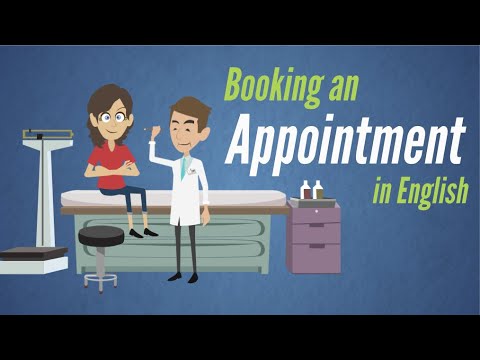
We're going to teach you how to communicate at a doctor's appointment in English.
英語で医師の予約時にどのようにコミュニケーションを取るかをお教えします。
Yes, this is so important because when you're not feeling well, you need to express yourself clearly.
はい、これは非常に重要です。体調が悪いときは、自分の状況を明確に伝える必要があるからです。
You can't just point and say, ow, ow, ow.
ただ指さして「痛い、痛い」と言うだけではダメですよ。
Exactly, Tom.
その通りです、トム。
Whether you're traveling, living abroad, or just preparing for the future, knowing medical English can really help you feel more confident.
旅行中、海外在住、あるいは将来の準備をしている場合でも、医療英語を知っていれば、より自信を持って行動できます。
So let's imagine a situation.
では、状況を想像してみましょう。
Sarah, pretend you're feeling sick and you need to call a doctor's office.
サラ、具合が悪くて医者に電話する必要があると仮定して演じてみてください。
Okay, I can do that.
はい、できますよ。
Ring ring.
リンリン(電話の音)。
Good afternoon, Sunset Medical Center.
こんにちは、サンセット・メディカルセンターです。
This is Tom speaking.
トムです。
How can I help you?
どのようなご用件でしょうか?
Hi, good afternoon.
こんにちは、午後はお邪魔します。
My name is Sarah Johnson.
サラ・ジョンソンと申します。
I need to see a doctor today, if possible.
可能であれば、今日医者にかかりたいのですが。
I'm not feeling well.
体調が優れません。
I'm sorry to hear that, Ms. Johnson.
お気の毒に思います、ジョンソンさん。
Can you tell me what symptoms you're experiencing?
どのような症状が出ているか教えていただけますか?
Well, I have a really bad cough, my chest feels tight, and I've been feeling dizzy since this morning.
ひどい咳があり、胸が締め付けられるような感じがし、今朝からめまいが続いています。
I understand.
わかりました。
Those symptoms need attention.
その症状は注意が必要です。
Let me check our schedule.
スケジュールを確認させてください。
We have an opening at 4 p.m. today.
今日は午後4時に空きがあります。
Does that work for you?
それでよろしいですか?
Yes, 4 p.m. is perfect.
はい、午後4時で完璧です。
Thank you so much.
ありがとうございます。
Great.
結構です。
Please bring your insurance card and arrive 10 minutes early to fill out paperwork.
保険証をお持ちいただき、書類記入のため10分前にお越しください。
And, Ms. Johnson, if your symptoms get worse before your appointment, please go to the emergency room right away.
そして、ジョンソンさん、診察前に症状が悪化する場合は、すぐに救急室へ行ってください。
Understood.
了解しました。
I'll see you at 4 p.m. Thank you.
午後4時にお会いしましょう。ありがとうございます。
Take care.
お気をつけて。
See you soon.
またお会いしましょう。
Okay, pause.
はい、ここで一旦停止します。
Let's break down some important phrases from that conversation.
その会話から重要なフレーズをいくつか分解してみましょう。
First, I'm not feeling well.
まず、「I'm not feeling well(体調が優れません)」です。
This is a polite, common way to say you're sick.
これは、病気であることを伝える丁寧で一般的な表現です。
You can also say, I feel sick, or I'm under the weather.
「I feel sick(気分が悪い)」や「I'm under the weather(調子が悪い)」と言うこともできます。
Right, and notice I described my symptoms clearly.
そうですね。私が症状を明確に説明したことに注目してください。
I have a bad cough, my chest feels tight, and I've been feeling dizzy since this morning.
ひどい咳があり、胸が締め付けられるような感じがし、今朝からめまいが続いています。
Those are perfect examples.
それらは完璧な例ですね。
Always be specific about what hurts, where it hurts, and when it started.
どこが、何が、いつから痛いかを常に具体的に述べてください。
Now let's fast forward.
では、次に進みましょう。
I'm at the doctor's office.
私は医者のもとにいます。
Tom, you'll be the doctor this time.
では、今回はトムが医者役をやってください。
Okay.
わかりました。
Knock, knock.
ノック、ノック。
Hello, Ms. Johnson.
こんにちは、ジョンソンさん。
I'm Dr. Martinez.
マルティネス医師です。
Please have a seat and tell me what's been going on.
こちらにお座りください。どうされたのか教えてください。
Thank you, doctor.
ありがとうございます、先生。
For the past three days, I've had this persistent cough.
ここ3日間、この止まらない咳が続いています。
It's getting worse, especially at night.
特に夜になると悪化しています。
I also feel pressure in my chest when I breathe deeply.
深く息を吸うと胸に圧迫感も感じます。
I see.
なるほど。
Is the cough dry or are you bringing up mucus?
咳はから咳ですか、それとも痰が出ていますか?
It's mostly dry, but sometimes there's a little bit of phlegm.
ほとんどから咳ですが、たまに少し痰が出ることがあります。
Okay.
わかりました。
Any fever?
熱はありませんか?
Chills?
寒気はありますか?
I felt warm yesterday evening, but I didn't take my temperature.
昨日の夕方、体が温かく感じたことがありましたが、体温は測っていません。
No chills, though.
寒気はありませんでした。
All right.
わかりました。
Have you been around anyone who's sick recently?
最近、病気の人と接触しましたか?
Actually, yes.
実は、そうです。
My co-worker had a cold last week.
職場の同僚が先週風邪をひいていました。
That's helpful information.
それは役に立つ情報ですね。
Let me listen to your lungs.
肺を聴診させてください。
Take a deep breath in.
大きく息を吸ってください。
And out.
そして吐いてください。
Again, please.
もう一度お願いします。
Your lungs sound a bit congested.
肺の状態が少し詰まっているようです。
I think you have bronchitis.
気管支炎かもしれませんね。
It's an infection in your airways.
気道に感染が起こっている状態です。
I'm going to prescribe an antibiotic and a cough syrup to help you feel better.
回復を助けるために抗生物質と咳止めシロップを処方します。
Bronchitis?
気管支炎ですか?
Is it serious?
重症ですか?
It can be uncomfortable, but with proper treatment and rest, you should recover in about a week.
不快な症状が出ることもありますが、適切な治療と休息を取れば、約1週間以内に回復するはずです。
Make sure you drink plenty of fluids, get lots of rest, and avoid smoking or dusty environments.
水分を十分に摂り、よく休んで、喫煙や埃っぽい環境を避けてください。
Okay, doctor.
わかりました、先生。
Should I stay home from work?
仕事をお休みしたほうがいいですか?
Yes, I recommend staying home for at least two to three days, both to rest and to avoid spreading the infection to others.
はい、少なくとも2〜3日は自宅療養することをお勧めします。休息のためだけでなく、他の人への感染拡大を防ぐためでもあります。
Understood.
わかりました。
When should I take the medicine?
薬はいつ飲めばいいですか?
Take the antibiotic three times a day with food.
抗生物質は食事に合わせて1日3回服用してください。
The cough syrup can be taken every six hours as needed.
咳止めシロップは必要に応じて6時間ごとに服用できます。
Here's your prescription.
こちらが処方箋です。
Take this to any pharmacy.
これをどの薬局でもお持ちください。
Thank you so much, Dr. Martinez.
マーティネス先生、本当にありがとうございます。
I really appreciate your help.
ご協力いただき、心から感謝しています。
You're welcome, Sarah.
どういたしまして、サラさん。
If your symptoms don't improve in three days or if you develop a high fever or trouble breathing, please call us immediately or go to the emergency room.
症状が3日間で改善しない場合や、高熱や呼吸困難が生じた場合は、すぐに電話するか、救急室へ行ってください。
I will.
はい、わかりました。
Thank you.
ありがとうございます。
Great.
いいですね。
Now let's review some key medical vocabulary from that conversation.
それでは、その会話から重要な医療用語を復習しましょう。
First, let's talk about common symptoms.
まず、一般的な症状について話しましょう。
repeat after me cough cough like when your throat is irritated and you go fever this means your body temperature is higher than normal dizzy when you feel like the room is spinning or you might fall.
続けて言ってみてください。「咳」は喉が刺激された時に出るもの、「発熱」は体温が通常より高くなること、「めまい」は部屋が回転しているように感じたり、倒れそうになったりする状態です。
Congested.
充血(鼻づまり・胸の詰まり)。
When your nose or chest feels blocked or stuffy.
鼻や胸が詰まってムズムズする感覚のことです。
Sore throat.
咽頭痛(のどの痛み)。
Pain or scratchy feeling in your throat.
のどに痛みやかゆみを感じる状態です。
Now some useful phrases.
次に、便利なフレーズを見ていきましょう。
I've been feeling.
「~以来感じている」(I've been feeling)。
Use this to describe ongoing symptoms.
継続的な症状を説明するために使います。
For example, I've been feeling nauseous all morning.
例えば、「朝からずっと吐き気がします」といった使い方をします。
Another one.
もう一つあります。
It hurts when I...
「~すると痛い」(It hurts when I...)。
This shows what action causes pain.
どの動作で痛みが出るかを示す表現です。
Like, it hurts when I swallow, or it hurts when I walk.
例えば、「飲み込むと痛い」や「歩くと痛い」といった使い方です。
Very good.
とても良いですね。
Here's another scenario.
別のシナリオを見てみましょう。
What if you need to describe pain intensity?
痛みの強さを説明する必要がある場合はどうすればよいでしょうか?
Ah, yes.
ああ、そうです。
Doctors often ask, on a scale of 1 to 10, how bad is the pain?
医師はよく「1から10のスケールで、痛みはどれくらいですか?」と尋ねます。
1 means almost no pain, and 10 means the worst pain you can imagine.
1はほとんど痛みなし、10は想像できる最も激しい痛みを意味します。
So you might say, the pain is about a 6 out of 10, or it's a 4 out of 10.
なので、「痛みは10点中6点くらいです」または「4点くらいです」と言うことができます。
Perfect.
完璧です。
Now let's practice some questions you might want to ask the doctor.
それでは、医師に質問したいかもしれないいくつかの練習をしてみましょう。
Good idea.
いいアイデアですね。
Try this.
これを試してみてください。
What's causing this?
これは何が原因ですか?
Or what do you think is wrong?
あるいは、何が悪いと思いますか?
How long will it take to get better?
回復するにはどのくらい時間がかかりますか?
Are there any side effects from this medicine?
この薬に副作用はありますか?
Can I go to work or school?
仕事や学校に行っても大丈夫ですか?
Is this contagious?
これは感染力がありますか?(うつりますか?)
Can I spread it to others?
他の人にうつすことはありますか?
Those are all excellent questions.
どれも素晴らしい質問ですね。
Never be afraid to ask your doctor questions.
医師に質問することを恐れないでください。
They want to help you understand.
先生はあなたが理解できるようお手伝いしたいと思っているからです。
Absolutely.
その通りです。
And if you don't understand something, say, I'm sorry, could you explain that again?
もしわからないことがあれば、「すみません、もう一度説明していただけますか?」と言ってください。
Or could you speak a bit slower, please?
あるいは「もう少しゆっくり話していただけませんか?」と言ってもいいでしょう。
Yes.
はい。
Doctors understand that medical terms can be confusing, especially in a foreign language.
医師は、特に外国語の場合、医療用語が混乱を招くことを理解しています。
Now, let's talk about getting your prescription filled at the pharmacy.
では、薬局で処方箋を受け取る方法について話し合いましょう。
Okay.
わかりました。
I'll be the pharmacist.
私が薬剤師役をします。
Tom, you come to pick up medicine.
トム、あなたは薬を受け取りに来てください。
Hello.
こんにちは。
I have a prescription from Dr. Martinez.
マルティネス医師の処方箋を持っています。
Certainly.
もちろんです。
May I have your name and date of birth, please?
お名前と生年月日を教えていただけますか?
Tom Wilson, May 15, 1990.
トム・ウィルソン、1990年5月15日生まれです。
Thank you, Mr. Wilson.
ありがとうございます、ウィルソンさん。
Let me prepare this for you.
こちらを用意させていただきますね。
It'll be ready in about 10 minutes.
約10分で準備できます。
Okay, thank you.
わかりました、ありがとうございます。
Can you tell me how to take this medicine?
この薬の飲み方を教えてください。
Of course.
もちろん。
Take one tablet three times daily with food.
食事を一緒に、1日3回、錠剤を1回分飲んでください。
Take it in the morning, afternoon, and evening.
朝、昼、夕に飲んでください。
Make sure you complete the full course, even if you start feeling better.
調子が良くなっても、必ず処方された期間分すべて飲み切ってください。
What if I forget a dose?
服用を忘れた場合はどうすればいいですか?
If you miss a dose, take it as soon as you remember.
服用を忘れたら、思い出した時点ですぐに飲んでください。
But if it's almost time for the next dose, just skip it.
ただし、次の服用時刻にほぼ近づいている場合は、忘れただけにして次へ進んでください。
Don't take two doses at once.
一度に2回分飲まないでください。
Got it.
わかりました。
Are there any foods or drinks I should avoid?
避けるべき食べ物や飲み物はありますか?
Avoid alcohol while taking this antibiotic.
この抗生物質を服用中はアルコールを避けてください。
Also, drink plenty of water throughout the day.
また、一日中十分に水分を摂ってください。
Perfect.
完璧です。
Thank you for your help.
お世話になりました。
You're welcome.
どういたしまして。
Feel better soon.
お大事に。
Excellent.
素晴らしいです。
So, everyone, let's review what we learned today.
では、皆さん、今日のレッスンの復習をしましょう。
We practiced making a doctor's appointment by phone.
電話での医師の予約の取り方を練習しました。
We learned how to describe symptoms clearly and specifically.
症状を明確かつ具体的に伝える方法を学びました。
We practiced a complete doctor's visit conversation.
診察室での会話全体を練習しました。
And we learned how to ask questions and pick up medicine at the pharmacy.
そして、質問の仕方や薬局で薬を受け取る方法を学びました。
Remember these key tips.
以下の重要なポイントを覚えておきましょう。
Always be specific about your symptoms.
自分の症状については常に具体的になりましょう。
Say what hurts, where it hurts, how long you've had the problem, and how bad it is.
どこが、何が、いつから、どれくらい痛いのかを伝えましょう。
Write down your questions before the appointment so you don't forget them.
診察前に質問をメモしておき、忘れないようにしましょう。
Bring a list of any medicines you're already taking.
現在服用している薬のリストを持参してください。
And don't be embarrassed.
恥ずかしがらないでください。
Doctors have seen and heard everything.
医者は何でも見て聞いています。
Now it's your turn to practice.
それでは、あなたの番です。練習してみましょう。
Here are some homework questions.
宿題の質問があります。
Question 1.
質問1。
How do you say, I have a headache, in your language?
「頭痛がある」はあなたの言語で何と言いますか?
Write it in the comments.
コメント欄に書いてください。
Question 2.
質問2。
What's the last time you visited a doctor?
最後に医者に行ったのはいつですか?
What was the problem?
どんな問題がありましたか?
Question 3.
質問3。
Practice this sentence and write it in the comments.
この文を練習して、コメント欄に書き込んでください。
I've been feeling symptom since time.
(私は)〇〇という症状が△△以来続いています。
For example, I've been feeling tired since Monday, or I've been feeling nauseous since this morning.
例えば、「月曜日以来疲れを感じている」や「今朝から吐き気を感じている」といった具合です。
We read every comment and love seeing you practice.
すべてのコメントを読み、皆さんの練習を見るのが楽しみです。
Before we go, if you found this lesson helpful, please give us a thumbs up.
動画が終わる前に、このレッスンが役に立ったと思ったら、高評価(いいね!)を押してください。
And subscribe to Study English Online so you never miss our lessons.
Study English Onlineを購読して、レッスンを逃さないようにしてください。
Share this video with your friends who are learning English, too.
英語を学んでいる友達にもこの動画をシェアしてください。
Learning together is more fun.
一緒に学ぶ方が楽しいものです。
All right, everyone.
それでは、皆さん。
Take care of your health, and we'll see you in the next lesson.
ご自愛ください。次のレッスンでお会いしましょう。
Stay healthy, keep practicing, and remember you can do this.
健康を保ち、練習を続けましょう。あなたにはできますよ。
Bye, everyone.
さようなら、皆さん。
Goodbye.
バイバイ。