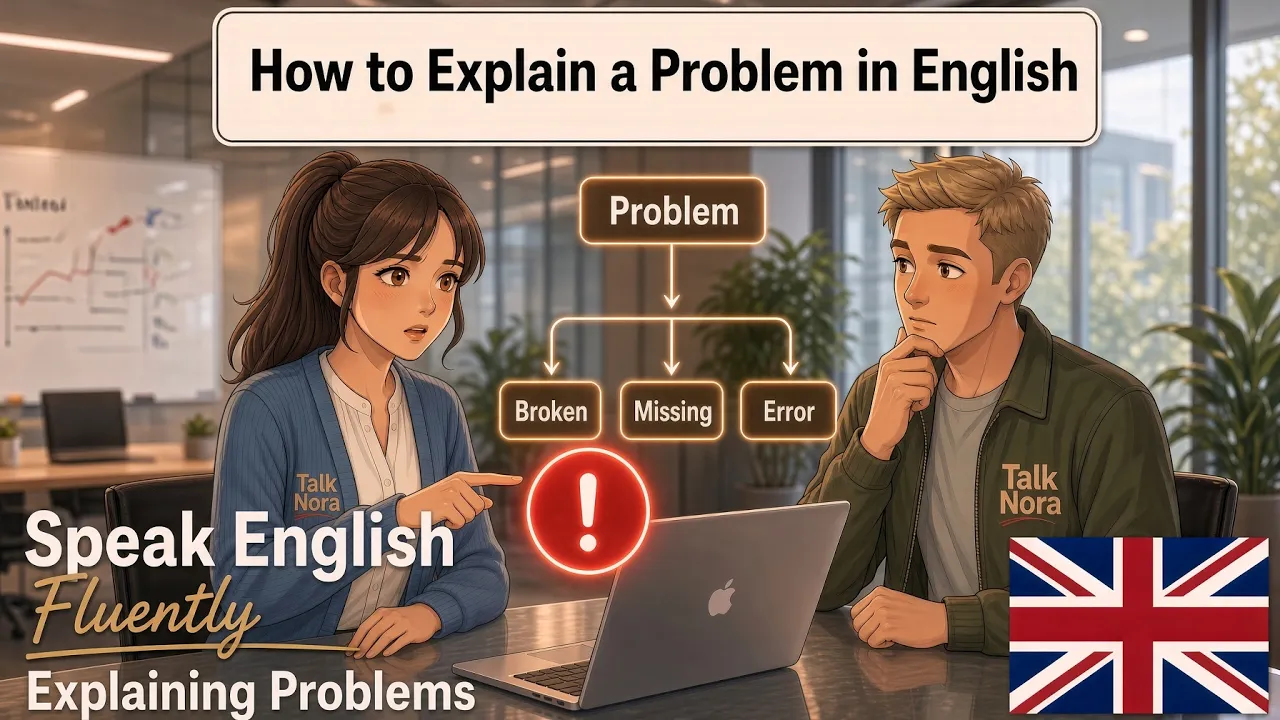
Ben, have you ever asked someone for help and made the problem sound more confusing while you explained it?
本,你有没有在向别人求助时,因为解释过多反而让问题听起来更令人困惑?
Yes.
有。
My usual opening is, it doesn't work.
我通常的开场白是:“它坏了。”
A strong start.
一个有力的开端。
What doesn't work?
什么坏了?
Exactly the question I'm usually asked next.
这正是我接下来通常会被问到的问题。
Yesterday, I called a shop about a delivery.
昨天,我打电话给一家商店询问关于配送的事。
I explained when I ordered it, why I wanted it, and what happened during my lunch break.
我解释了我是什么时候下单的、为什么想要它,以及午休期间发生了什么。
Was your lunch break relevant?
你的午休时间相关吗?
Not even slightly.
完全不相关。
After two minutes, the person asked, has the parcel arrived?
两分钟后,对方问道:“包裹到了吗?”
And had it?
到了吗?
Yes.
到了。
The wrong item was inside.
里面装的是错误的物品。
That sounds like a useful place to begin.
这听起来是个不错的开始切入点。
I wish I'd thought of that before introducing everyone involved in my afternoon.
我真希望我在介绍下午涉及的所有人之前就想到这一点。
What did the person need to know first?
对方首先需要知道什么?
That I received the wrong item.
就是我收到了错误的物品。
Then you could add the details they need to identify the order.
然后你可以补充他们识别订单所需的细节。
Instead of beginning with, last Tuesday was a very busy day.
而不是以“上周二是非常忙碌的一天”作为开头。
Right.
对。
A short opening helps the listener understand what the rest of the information is about.
简短的开场有助于听众理解其余信息的主题。
The parcel arrived today, but it contains the wrong item.
包裹今天送到了,但里面装错了东西。
Exactly.
没错。
Then they can ask for the order number or the item details.
然后他们可以询问订单号或商品详情。
So being clear doesn't mean telling the whole story immediately.
所以,表达清晰并不意味着要立刻讲述整个故事。
It means giving the listener enough information to follow you.
它的意思是给听众足够的信息,让他们能跟上你的思路。
What's a useful way to describe something that went wrong?
描述出错的事情有什么有效的方法吗?
Explain what you expected, then what actually happened.
先解释你原本期望什么,然后再说实际发生了什么。
I ordered a blue notebook, but I received a red planner.
我订的是一本蓝色笔记本,但收到的却是一个红色日程本。
Perfect.
完美。
Those are two things the listener can compare.
这是听众可以进行对比的两个要点。
That works for other situations, too.
这种方法在其他情况下也适用。
I expected the document to open, but I got an error message.
我本以为文档能打开,结果却收到了错误提示。
Yes.
是的。
It's more specific than, the computer is being impossible.
这比说“电脑就是没法用”更具体。
Even if the computer has a long history of difficult behavior.
即使这台电脑长期以来都很难搞。
We can discuss its personality later.
我们以后再讨论它的“性格”吧。
And if there's an error message, I should repeat the actual wording?
如果有错误提示,我应该重复具体的文字内容吗?
If you can.
如果你能做到的话。
You don't need to guess what it means.
你不需要去猜测它的意思。
Let's practice the delivery call.
我们来练习一下关于快递的电话沟通。
You're the shop assistant and I'm the customer.
你是店员,我是顾客。
All right.
好的。
How can I help?
请问有什么可以帮您?
My order arrived today, but I received the wrong item.
我的包裹今天到了,但我收到的商品不对。
I ordered a blue notebook and received a red planner.
我订的是一本蓝色笔记本,收到的却是一个红色日程本。
Do you have your order number?
你有订单号吗?
Yes, it's order 4826.
有,订单号是4826。
Thank you.
谢谢。
Does the label on the parcel show your name?
包裹上的标签显示的是你的名字吗?
Yes, the name and address are correct.
是的,姓名和地址都是正确的。
It's the item inside that's different.
不同的是里面的物品。
Understood.
明白了。
Would you prefer the correct item or a refund?
您希望更换为正确的商品还是退款?
I'd prefer the notebook.
我想要那本笔记本。
Could you explain how I should return the planner?
能否请您说明一下我该如何退回那个日程本?
Of course.
当然可以。
And we're back.
我们回到正题。
That was much easier to follow than my original explanation.
这比我最初的解释要容易理解得多。
You named the problem, gave the relevant details, and said what you wanted.
你指出了问题所在,提供了相关细节,并说明了你的需求。
And I didn't need to sound angry to make the problem clear.
而且我不需要表现得生气也能把问题说清楚。
When something goes wrong, I sometimes decide I know why.
当事情出错时,我有时会自作主张地认为我知道原因。
For example?
比如?
The website lost my booking.
网站把我的预订弄丢了。
What did you actually see?
你实际看到了什么?
I couldn't find a confirmation email.
我找不到确认邮件。
That doesn't necessarily tell you what happened to the booking.
这并不一定说明预订发生了什么情况。
So, I could say, I completed the form, but I haven't received a confirmation email.
所以,我可以这样说:我已经填完了表格,但还没收到确认邮件。
Exactly.
没错。
Then explain whether you saw a confirmation page or a reference number.
然后解释一下你是否看到了确认页面或参考编号。
I can separate what I know from what I'm guessing.
我可以把我知道的和我在猜测的分开。
That gives the other person a better chance to investigate the right issue.
这样对方就有更好的机会去调查真正的问题。
What if the order of events matters?
如果事件的顺序很重要怎么办?
Use a short sequence.
使用简短的序列词。
First, then, and after that can help.
首先、然后和之后会有帮助。
First, I entered my details.
首先,我输入了我的详细信息。
Then I pressed confirm.
然后我按了确认。
After that, the page went blank.
之后,页面变空白(无响应)了。
Clear and easy to follow.
清晰且易于理解。
Should I include everything I clicked?
我应该包含我点击过的所有内容吗?
Only what seems relevant or what the person asks you to describe.
只包含看起来相关的,或者对方要求你描述的内容。
And if I can't remember?
如果我记不起来了呢?
Say so.
直说就好。
I don't remember the exact message, but I can try again and write it down.
我不记得确切的消息内容,但我可以重试并把它写下来。
That sounds more helpful than confidently inventing a message.
这听起来比自信地编造一条消息更有帮助。
Confidence is useful.
自信是有用的。
Accurate details are useful, too.
准确的细节也同样有用。
Let's practice a work situation.
我们来练习一个工作场景。
I can't open a shared document, and you're my colleague.
我无法打开共享文档,你是我的同事。
Go ahead.
请讲。
Ben, I'm having trouble opening the project document.
Ben,我在打开项目文档时遇到了麻烦。
When I select the link, it says I don't have access.
当我选择链接时,它提示我没有访问权限。
Is it happening with every document, or just this one?
是所有文档都这样,还是只有这一个?
Just this one.
只有这一个。
I can open the other files in the folder.
我可以打开文件夹里的其他文件。
Have you checked which account you're signed into?
你检查过你登录的是哪个账户了吗?
Yes, I'm using my work account.
是的,我正在使用我的工作账户。
I also tried opening the link again, but the same message appeared.
我也尝试再次打开链接,但出现了同样的消息。
Could you send me the document name?
你能把文档名称发给我吗?
I'll check who manages its access.
我会去查谁管理它的访问权限。
It's the weekly project summary.
是每周的项目总结。
I need to read it before our meeting at two.
我需要在两点开会前阅读它。
Is there another copy I can use while we check?
在核查期间,我可以使用另一份副本吗?
I can ask the owner about that.
我可以向负责人询问此事。
And we're back.
我们回到正题。
I explained what happened, what I'd already checked, and when I needed the document.
我解释了发生了什么、我已经检查过什么,以及我需要文档的时间。
Without claiming the whole system was broken.
并没有声称整个系统都坏了。
A disappointing result for my dramatic opening speech.
我这番戏剧性的开场白结果令人失望。
You mentioned the meeting time.
你提到了会议时间。
Is that part of explaining the problem?
这也是解释问题的一部分吗?
Yes, if it helps the other person understand the impact.
是的,如果这有助于对方理解影响的话。
This means I can't prepare for the meeting.
这意味着我无法为会议做准备。
Exactly.
没错。
Or without the delivery, I can't finish the display.
或者如果没有收到包裹,我就无法完成展示。
But I shouldn't call every inconvenience urgent.
但我也不应该把每一个不便都称为紧急事项。
Right.
对。
Give the real timing and let the person understand the situation.
提供真实的时间安排,让对方了解情况。
The event is tomorrow afternoon is clearer than I need it immediately.
“活动是明天下午”比“我需要立即处理”更清晰。
And if you genuinely need a quick answer, explain why.
如果你确实需要快速回答,请解释原因。
Sometimes I explain a problem and assume the other person knows what I want.
有时我解释问题时,会假设对方知道我想要什么。
Do you always know what you want?
你总是清楚自己想要什么吗?
Not always.
不一定。
Sometimes I want instructions.
有时我需要操作指引。
Sometimes I need someone to check something.
有时我需要别人帮忙检查某事。
Then name that when you can.
那么尽可能明确地说出来。
Could you show me the next step?
你能告诉我下一步该怎么做吗?
Or could you check whether the booking went through?
或者你能帮我确认预订是否成功吗?
And if I don't know which solution is possible?
如果我不知道哪种解决方案可行呢?
What options are available is a useful question.
询问有哪些可用选项是一个很好的问题。
That leaves room for them to explain what they can actually do.
这为他们解释实际能做什么留出了空间。
Let's try a booking problem.
我们来试一个预订问题。
You work at a community center, and my class confirmation shows a different day.
你在社区中心工作,我的课程确认单显示的日期不同。
Okay.
好的。
How can I help?
我能怎么帮你?
I signed up for the Thursday evening class, but my confirmation email says Tuesday.
我报名的是周四晚上的课,但我的确认邮件上说是周二。
Could you check which class I'm booked into?
你能查一下我报的是哪个班吗?
Of course.
当然。
Which class is it?
是哪个班?
The beginner photography class.
初级摄影班。
I registered yesterday.
我是昨天注册的。
Do you have the confirmation number?
你有确认号吗?
Yes.
有。
It's 7315.
是7315。
The booking here is for Tuesday.
这里的预订是周二的。
Would you like me to check whether Thursday has space?
需要我帮您查一下周四还有空位吗?
Yes, please.
好的,麻烦您了。
I work on Tuesday evenings, so I wouldn't be able to attend that class.
我周二晚上要工作,所以没法参加那个课程。
I'll check the Thursday list.
我去查一下周四的名额。
Thank you.
谢谢。
And we're back.
我们回到正题。
You didn't need to decide who caused the mix-up before asking us to check it.
你不需要在让我们核查之前就先决定是谁导致了这个混乱。
I described the difference and explained which option worked for me.
我描述了差异,并解释了哪个选项适合我。
What about the other half?
那另一半呢?
Sometimes the reply is clear to them, but confusing to me.
有时候回复对他们来说很清晰,但对我来说却很令人困惑。
You can ask for clarification.
你可以请求澄清。
Could you explain what I need to do first?
你能解释一下我需要先做什么吗?
Exactly.
没错。
Or repeat the arrangement in your own words.
或者用你自己的话重复一遍安排。
So I should send the photo today?
所以我今天应该把照片发过去?
and you'll contact me after checking the order?
然后你在核实订单后会联系我?
Yes, that gives them a chance to correct a misunderstanding.
是的,这给了他们纠正误解的机会。
And if someone uses a word I don't know?
如果有人用了我不认识的词怎么办?
Ask what it means in that situation.
问清楚在那个情境下它是什么意思。
I don't need to say, yes, understood, while understanding almost nothing.
我不需要在几乎什么都不懂的情况下还说“是的,明白了”。
That sentence has caused me several unnecessary adventures.
那句话让我经历了好几次不必要的折腾。
It's harder to explain clearly when I've already tried to solve the problem three times.
当我已经尝试解决过三次问题时,再清楚地解释起来就更难了。
Could you write down the main points before calling?
打电话前你能先把要点写下来吗?
The problem, the important details, and what I need.
问题、重要的细节,以及我的需求。
That could help you keep your place.
这能帮你理清思路,不至于乱了阵脚。
And I can say, I'm frustrated because I've contacted the shop twice, and I still don't know what happens next.
我还可以说:“我很沮丧,因为我已经联系过这家店两次了,但我仍然不知道接下来会发生什么。”
That explains the frustration without insulting the person answering.
这样既说明了你的沮丧,又不会冒犯接听电话的人。
I can also ask when I should expect an update.
我也可以询问我应该什么时候期待更新消息。
Yes.
对。
A clear next step is more useful than ending with someone will do something.
明确的下一步比以“有人会做点什么”作为结尾更有用。
Let me try a short structure.
让我试着用一个简短的结构。
First, name the problem.
首先,说出问题所在。
Then explain what you expected and what actually happened.
然后解释你原本期望的是什么,以及实际发生了什么。
Add the relevant details and anything you've already checked.
加上相关的细节和你已经检查过的内容。
Finally, say what you need or ask about the available options.
最后,说明你需要什么,或者询问有哪些可行的方案。
And check the answer before ending the conversation.
并在结束对话前确认答案。
Exactly.
没错。
I have a problem to explain right now.
我现在有一个问题需要解释。
I'm listening.
我在听。
I expected a cup of tea.
我原本期待一杯茶。
What actually happened is that I talked for so long it went cold.
实际情况是,我聊了太久,茶都凉透了。
What have you tried?
你试过什么办法?
Looking at it with disappointment.
失望地看着它。
And what do you need?
你需要什么?
A fresh cup.
一杯新泡的茶。
A clear request.
一个明确的请求。
I can help with that.
我可以帮你解决这个问题。
If you're listening, think of a small problem you've had recently.
如果你正在听,请回想一下你最近遇到的小麻烦。
How would you explain it in two sentences?
你会如何用两句话来解释它?
Try beginning with, I'm having trouble with...
试着以“我遇到了……的麻烦”开头。
Then describe what happens and ask one clear question.
然后描述发生了什么,并提出一个明确的问题。