Hello, everyone.
大家好。
Welcome back to Study English Online.
欢迎回到Study English Online。
I'm Sarah.
我是Sarah。
And I'm Tom.
我是Tom。
Great to see you all again.
很高兴再次见到大家。
Today we have something really practical for you.
今天我们要分享一些非常实用的内容。
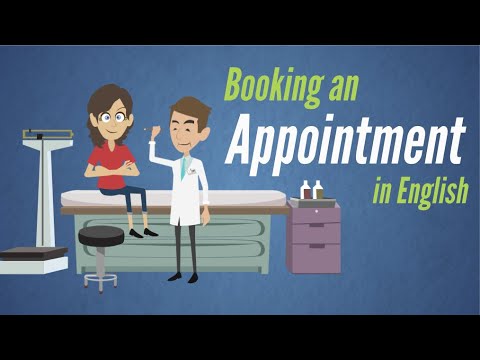
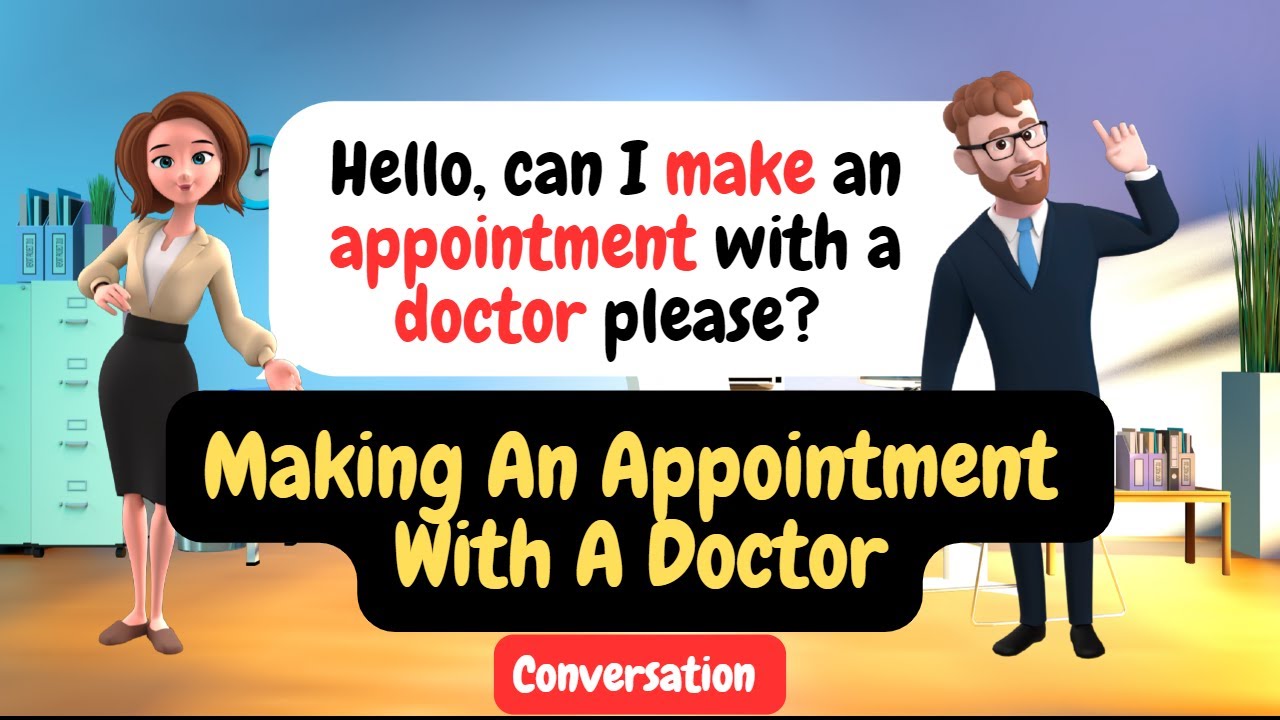
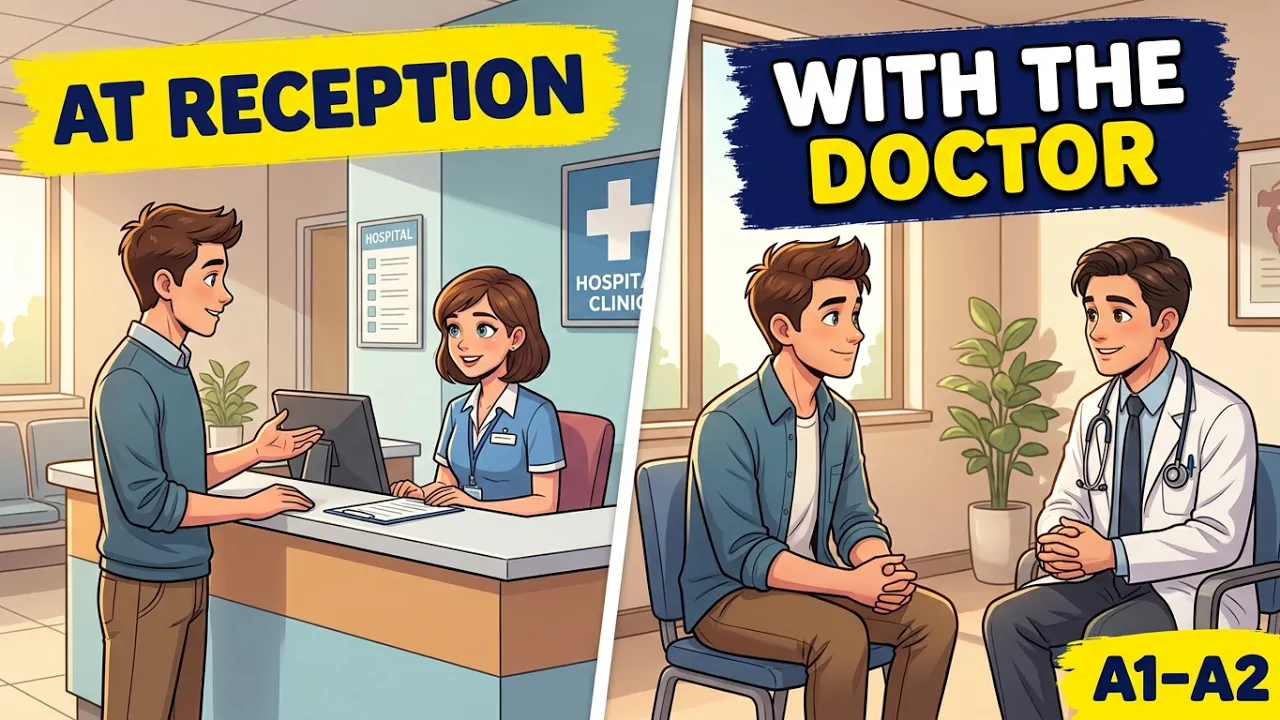
We're going to teach you how to communicate at a doctor's appointment in English.
我们将教你如何用英语进行医生预约时的沟通。
Yes, this is so important because when you're not feeling well, you need to express yourself clearly.
是的,这非常重要,因为当你身体不适时,你需要清晰地表达自己的状况。
You can't just point and say, ow, ow, ow.
你不能只是指着说哎哟哎哟哎哟。
Exactly, Tom.
没错,Tom。
Whether you're traveling, living abroad, or just preparing for the future, knowing medical English can really help you feel more confident.
无论你是去旅行、在国外生活,还是仅仅为未来做准备,掌握医疗英语都能让你更加自信。
So let's imagine a situation.
那么,让我们想象一个场景。
Sarah, pretend you're feeling sick and you need to call a doctor's office.
莎拉,假装你感觉不舒服,需要给医生办公室打电话。
Okay, I can do that.
好的,我可以做到。
Ring ring.
铃铃。
Good afternoon, Sunset Medical Center.
下午好,这里是日落医疗中心。
This is Tom speaking.
我是汤姆。
How can I help you?
请问有什么可以帮您的?
Hi, good afternoon.
您好,下午好。
My name is Sarah Johnson.
我叫莎拉·约翰逊。
I need to see a doctor today, if possible.
如果可能的话,我今天想去看医生。
I'm not feeling well.
我感觉不太舒服。
I'm sorry to hear that, Ms. Johnson.
听到这个消息我很抱歉,约翰逊女士。
Can you tell me what symptoms you're experiencing?
您能告诉我您有哪些症状吗?
Well, I have a really bad cough, my chest feels tight, and I've been feeling dizzy since this morning.
嗯,我咳嗽得很厉害,胸口发紧,而且从今天早上开始我就感到头晕。
I understand.
我明白了。
Those symptoms need attention.
这些症状需要关注。
Let me check our schedule.
让我查一下我们的日程安排。
We have an opening at 4 p.m. today.
我们今天下午四点有个空档。
Does that work for you?
那个时间对您方便吗?
Yes, 4 p.m. is perfect.
是的,下午四点很完美。
Thank you so much.
非常感谢。
Great.
太好了。
Please bring your insurance card and arrive 10 minutes early to fill out paperwork.
请带上您的保险卡,提前10分钟到达以填写表格。
And, Ms. Johnson, if your symptoms get worse before your appointment, please go to the emergency room right away.
还有,约翰逊女士,如果您的症状在就诊前恶化,请立即去急诊室。
Understood.
明白了。
I'll see you at 4 p.m. Thank you.
我们下午四点见。谢谢。
Take care.
保重。
See you soon.
再见。
Okay, pause.
好的,暂停。
Let's break down some important phrases from that conversation.
让我们分析一下刚才对话中的一些重要短语。
First, I'm not feeling well.
首先,I'm not feeling well(我感觉不太舒服)。
This is a polite, common way to say you're sick.
这是一种礼貌且常用的表达生病的方式。
You can also say, I feel sick, or I'm under the weather.
你也可以说 I feel sick(我觉得病了),或者 I'm under the weather(身体欠佳)。
Right, and notice I described my symptoms clearly.
对,注意我清楚地描述了我的症状。
I have a bad cough, my chest feels tight, and I've been feeling dizzy since this morning.
我咳嗽得很厉害,胸口发紧,而且从今天早上开始我就感到头晕。
Those are perfect examples.
这些是完美的例子。
Always be specific about what hurts, where it hurts, and when it started.
一定要具体说明哪里痛、怎么痛以及什么时候开始的。
Now let's fast forward.
现在让我们快进。
I'm at the doctor's office.
我在医生办公室。
Tom, you'll be the doctor this time.
这次由你来扮演医生。
Okay.
好的。
Knock, knock.
咚咚。
Hello, Ms. Johnson.
你好,约翰逊女士。
I'm Dr. Martinez.
我是马丁内斯医生。
Please have a seat and tell me what's been going on.
请坐,告诉我最近的情况。
Thank you, doctor.
谢谢您,医生。
For the past three days, I've had this persistent cough.
过去三天里,我一直咳嗽不止。
It's getting worse, especially at night.
情况在恶化,尤其是晚上。
I also feel pressure in my chest when I breathe deeply.
深呼吸时,我也感到胸部有压迫感。
I see.
我明白了。
Is the cough dry or are you bringing up mucus?
是干咳还是有痰?
It's mostly dry, but sometimes there's a little bit of phlegm.
主要是干咳,但有时有一点痰。
Okay.
好的。
Any fever?
发烧吗?
Chills?
发冷吗?
I felt warm yesterday evening, but I didn't take my temperature.
昨晚我觉得有点发热,但我没量体温。
No chills, though.
不过没有发冷。
All right.
好的。
Have you been around anyone who's sick recently?
你最近接触过生病的人吗?
Actually, yes.
实际上,是的。
My co-worker had a cold last week.
我的同事上周感冒了。
That's helpful information.
这是很有用的信息。
Let me listen to your lungs.
让我听听你的肺部。
Take a deep breath in.
深吸一口气。
And out.
然后呼出。
Again, please.
再来一次。
Your lungs sound a bit congested.
你的肺部听起来有些充血。
I think you have bronchitis.
我想你是得了支气管炎。
It's an infection in your airways.
这是气道的感染。
I'm going to prescribe an antibiotic and a cough syrup to help you feel better.
我将给你开抗生素和止咳糖浆来帮助你好转。
Bronchitis?
支气管炎?
Is it serious?
严重吗?
It can be uncomfortable, but with proper treatment and rest, you should recover in about a week.
可能会不舒服,但经过适当的治疗和休息,你应该在一周左右康复。
Make sure you drink plenty of fluids, get lots of rest, and avoid smoking or dusty environments.
确保多喝水,多休息,并避免吸烟或处于灰尘多的环境。
Okay, doctor.
好的,医生。
Should I stay home from work?
我应该请假在家休息吗?
Yes, I recommend staying home for at least two to three days, both to rest and to avoid spreading the infection to others.
是的,我建议你至少在家休息两到三天,既为了休息,也为了避免将感染传染给他人。
Understood.
明白了。
When should I take the medicine?
我什么时候吃药?
Take the antibiotic three times a day with food.
抗生素每天随餐服用三次。
The cough syrup can be taken every six hours as needed.
止咳糖浆可根据需要每六小时服用一次。
Here's your prescription.
这是您的处方。
Take this to any pharmacy.
拿着这个去任何药店取药。
Thank you so much, Dr. Martinez.
非常感谢,马丁内斯医生。
I really appreciate your help.
非常感谢您的帮助。
You're welcome, Sarah.
不客气,莎拉。
If your symptoms don't improve in three days or if you develop a high fever or trouble breathing, please call us immediately or go to the emergency room.
如果三天后症状没有改善,或者出现高烧或呼吸困难,请立即联系我们或前往急诊室。
I will.
我会的。
Thank you.
谢谢。
Great.
很好。
Now let's review some key medical vocabulary from that conversation.
现在我们来回顾一下刚才对话中的一些关键医学术语。
First, let's talk about common symptoms.
首先,我们来谈谈常见的症状。
repeat after me cough cough like when your throat is irritated and you go fever this means your body temperature is higher than normal dizzy when you feel like the room is spinning or you might fall.
跟我读:咳嗽(cough),就像喉咙受到刺激时那样;发烧(fever),这意味着体温高于正常值;头晕(dizzy),当你感觉房间在旋转或可能会摔倒时。
Congested.
鼻塞/充血(Congested)。
When your nose or chest feels blocked or stuffy.
当鼻子或胸部感到堵塞或不通气时。
Sore throat.
喉咙痛(Sore throat)。
Pain or scratchy feeling in your throat.
喉咙疼痛或有刺痛感。
Now some useful phrases.
现在是一些实用的短语。
I've been feeling.
我一直感觉……(I've been feeling)。
Use this to describe ongoing symptoms.
用这个来描述持续存在的症状。
For example, I've been feeling nauseous all morning.
例如,我整个上午一直感觉恶心。
Another one.
再来一个。
It hurts when I...
我做……的时候疼(It hurts when I...)。
This shows what action causes pain.
这表示什么动作会引起疼痛。
Like, it hurts when I swallow, or it hurts when I walk.
比如,吞咽时疼,或者走路时疼。
Very good.
非常好。
Here's another scenario.
这里是另一个场景。
What if you need to describe pain intensity?
如果你需要描述疼痛的程度怎么办?
Ah, yes.
啊,是的。
Doctors often ask, on a scale of 1 to 10, how bad is the pain?
医生经常会问,从1到10的评分来看,疼痛有多严重?
1 means almost no pain, and 10 means the worst pain you can imagine.
1意味着几乎没有疼痛,10意味着你能想象到的最剧烈的疼痛。
So you might say, the pain is about a 6 out of 10, or it's a 4 out of 10.
所以你可以说,疼痛大约是10分中的6分,或者是4分。
Perfect.
完美。
Now let's practice some questions you might want to ask the doctor.
现在我们来练习一些你可能想问医生的问题。
Good idea.
好主意。
Try this.
试试这个。
What's causing this?
这是什么引起的?
Or what do you think is wrong?
或者你觉得怎么了?
How long will it take to get better?
多久能好转?
Are there any side effects from this medicine?
这药有什么副作用吗?
Can I go to work or school?
我可以去上班或上学吗?
Is this contagious?
这具有传染性吗?
Can I spread it to others?
我会传染给别人吗?
Those are all excellent questions.
这些都是非常好的问题。
Never be afraid to ask your doctor questions.
千万不要害怕向医生提问。
They want to help you understand.
他们希望能帮助你理解。
Absolutely.
没错。
And if you don't understand something, say, I'm sorry, could you explain that again?
如果你没听懂,可以说:抱歉,能请您再解释一遍吗?
Or could you speak a bit slower, please?
或者能不能请您说慢一点?
Yes.
是的。
Doctors understand that medical terms can be confusing, especially in a foreign language.
医生们明白医学术语可能会让人困惑,尤其是在外语环境中。
Now, let's talk about getting your prescription filled at the pharmacy.
现在,我们来谈谈在药房取药的事宜。
Okay.
好的。
I'll be the pharmacist.
我来扮演药剂师。
Tom, you come to pick up medicine.
汤姆,你来取药。
Hello.
你好。
I have a prescription from Dr. Martinez.
我有马丁内斯医生的处方。
Certainly.
当然可以。
May I have your name and date of birth, please?
请告诉我您的姓名和出生日期。
Tom Wilson, May 15, 1990.
汤姆·威尔逊,1990年5月15日。
Thank you, Mr. Wilson.
谢谢您,威尔逊先生。
Let me prepare this for you.
让我为您准备一下。
It'll be ready in about 10 minutes.
大约10分钟后就好。
Okay, thank you.
好的,谢谢。
Can you tell me how to take this medicine?
能告诉我怎么服用这种药吗?
Of course.
当然。
Take one tablet three times daily with food.
每天三次,每次一片,随餐服用。
Take it in the morning, afternoon, and evening.
在早、中、晚各服用一次。
Make sure you complete the full course, even if you start feeling better.
即使感觉好转,也要确保服完整个疗程。
What if I forget a dose?
如果我忘记服药怎么办?
If you miss a dose, take it as soon as you remember.
如果漏服了一次,想起来时请立即补服。
But if it's almost time for the next dose, just skip it.
但如果快到下一次服药时间了,就跳过这一次。
Don't take two doses at once.
不要一次性服用两剂。
Got it.
明白了。
Are there any foods or drinks I should avoid?
有哪些食物或饮料我应该避免食用?
Avoid alcohol while taking this antibiotic.
服用这种抗生素期间请勿饮酒。
Also, drink plenty of water throughout the day.
此外,全天要多喝水。
Perfect.
很好。
Thank you for your help.
感谢您的帮助。
You're welcome.
不客气。
Feel better soon.
祝你早日康复。
Excellent.
太棒了。
So, everyone, let's review what we learned today.
那么,大家,让我们回顾一下今天学到的内容。
We practiced making a doctor's appointment by phone.
我们练习了如何通过电话预约医生。
We learned how to describe symptoms clearly and specifically.
我们学习了如何清晰、具体地描述症状。
We practiced a complete doctor's visit conversation.
我们练习了完整的看诊对话。
And we learned how to ask questions and pick up medicine at the pharmacy.
我们还学习了如何提问以及在药房取药。
Remember these key tips.
记住这些关键提示。
Always be specific about your symptoms.
始终要具体说明你的症状。
Say what hurts, where it hurts, how long you've had the problem, and how bad it is.
说出哪里痛、怎么个痛法、持续了多久以及疼痛程度如何。
Write down your questions before the appointment so you don't forget them.
在就诊前写下你的问题,以免忘记。
Bring a list of any medicines you're already taking.
带上你正在服用的任何药物清单。
And don't be embarrassed.
不要感到尴尬。
Doctors have seen and heard everything.
医生见多识广,什么状况都见过。
Now it's your turn to practice.
现在轮到你们练习了。
Here are some homework questions.
这里有一些课后作业题。
Question 1.
问题一。
How do you say, I have a headache, in your language?
在你的语言中,“我头痛”怎么说?
Write it in the comments.
把它写在评论区里。
Question 2.
问题二。
What's the last time you visited a doctor?
你上次看医生是什么时候?
What was the problem?
当时出了什么问题?
Question 3.
问题三。
Practice this sentence and write it in the comments.
练习这个句子,并把它写在评论区里。
I've been feeling symptom since time.
我从……时间起一直感觉……(症状)。
For example, I've been feeling tired since Monday, or I've been feeling nauseous since this morning.
例如,我从周一开始就一直感到疲惫,或者我从今天早上开始就一直感到恶心。
We read every comment and love seeing you practice.
我们会阅读每一条评论,很高兴看到你们的练习。
Before we go, if you found this lesson helpful, please give us a thumbs up.
在我们结束之前,如果你觉得这节课对你有帮助,请给我们点个赞。
And subscribe to Study English Online so you never miss our lessons.
订阅 Study English Online,这样你就不会错过我们的课程。
Share this video with your friends who are learning English, too.
把这段视频分享给同样在学习英语的朋友们。
Learning together is more fun.
一起学习更有趣。
All right, everyone.
好了,大家。
Take care of your health, and we'll see you in the next lesson.
保重身体,我们下节课再见。
Stay healthy, keep practicing, and remember you can do this.
保持健康,坚持练习,记住你能做到。
Bye, everyone.
再见,大家。
Goodbye.
再见。