Hello and welcome back to the channel.
चैनल में वापसी पर स्वागत है।
I'm your English teacher Ananya.
मैं आपकी अंग्रेजी शिक्षक अन्ना हूं।
This is lesson 7 in our conversation lesson series and I hope you're thoroughly enjoying the lesson series so far.
यह हमारी संवाद पाठ श्रृंखला में पाठ 7 है और मुझे आशा है कि आप अब तक पाठ श्रृंखला का भरपूर आनंद ले रहे हैं।
In the previous lesson, we talked about online shopping using natural expressions.
पिछले पाठ में, हमने प्राकृतिक अभिव्यक्तियों का उपयोग करते हुए ऑनलाइन शॉपिंग के बारे में बात की थी।
Now if you have missed that lesson, there's a link in the description.
अगर आपने वह पाठ छूट दिया है, तो विवरण में एक लिंक है।
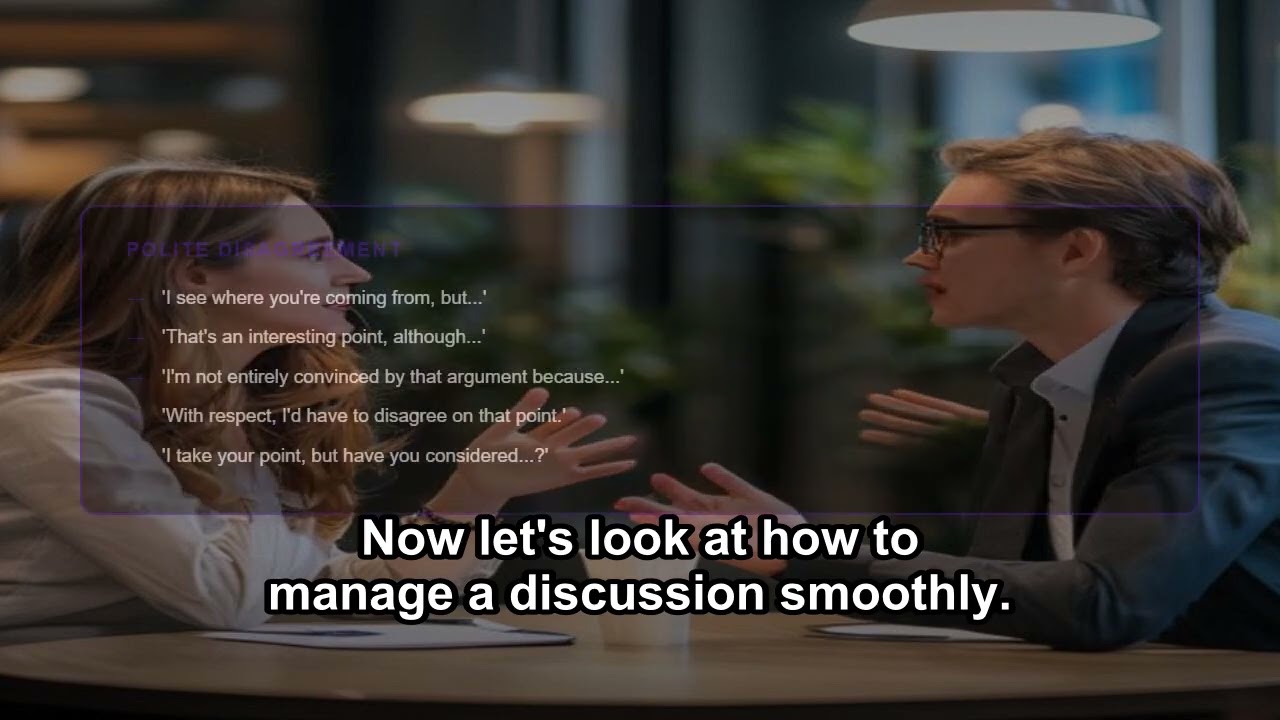
In today's lesson, we're learning how to talk about expressing your opinions and even disagreeing in English, just like how, you know, fluid English speakers do.
आज की पाठ में, हम यह सीख रहे हैं कि कैसे अपने विचार व्यक्त करें और अंग्रेजी में असहमति जताएं, बिल्कुल वैसे ही जैसे प्रवाही अंग्रेजी बोलने वाले करते हैं।
The theme of today's lesson is expressing opinions and disagreements.
आज की पाठ का विषय है विचार व्यक्त करना और असहमति जताना।
You will listen to a conversation between two friends, Mike and Emma.
आप दो दोस्तों, माइक और एमा के बीच एक बातचीत सुनेंगे।
Now, pay close attention to all the highlighted words and phrases.
अब, सभी हाइलाइट किए गए शब्दों और वाक्यांशों पर ध्यान दें।
And even if you don't know all of them?
और भले ही आपको उनमें से सभी नहीं आते हों?
You know the drill, right?
आपको तो पता ही है, ना?
I'm going to explain each one with meaning, examples, and how to use them naturally in everyday speech.
मैं हर एक को अर्थ, उदाहरणों और दैनिक बोलचाल में उन्हें स्वाभाविक रूप से कैसे उपयोग करें, इससे समझाऊंगा।
So are you ready to listen to the conversation?
तो क्या आप बातचीत सुनने के लिए तैयार हैं?
Come on, let's go.
चलिए, चलते हैं।
uh it's been a while how have you been pretty good just busy with work mostly don't you think remote work is totally killing productivity i mean people are getting paid to be in their pajamas all day hmm okay i gotta weigh in here you know i'm actually way more productive working at home Come on, that's ridiculous.
उह, काफी समय हो गया है। आप कैसे हैं? बहुत अच्छा, ज्यादातर काम में व्यस्त। क्या आपको नहीं लगता कि रिमोट वर्क उत्पादकता को पूरी तरह खत्म कर रहा है? मेरा मतलब है, लोग दिन भर पजामे पहनकर पैसा कमा रहे हैं। हम्म, ठीक है, मुझे यहाँ अपना विचार देना होगा। जानिए, घर पर काम करने से मैं वास्तव में कहीं अधिक उत्पादक हूँ। चलो, यह बेतुका है।
Most people just watch Netflix, Reels, and YouTube shorts all day.
ज़्यादातर लोग दिन भर नेटफ्लिक्स, रील्स और यूट्यूब शॉर्ट्स देखते रहते हैं।
Well, I can totally refute that.
ठीक है, मैं इसे पूरी तरह खंडित कर सकता हूँ।
I actually work longer hours from home because I don't have to deal with travel, stress, and office politics.
वास्तव में, मैं घर से लंबे घंटे काम करता हूँ क्योंकि मुझे यात्रा, तनाव और ऑफिस की राजनीति से निपटना नहीं पड़ता।
Emma, maybe you are disciplined, but, you know, most people aren't.
एमा, शायद आप अनुशासित हैं, लेकिन जानिए, ज़्यादातर लोग नहीं हैं।
My cousin literally keeps munching during meetings with his camera off.
मेरा चाचा मीटिंग के दौरान कैमरा बंद रखते हुए खाता ही जाता है।
Yeah, there might be a grain of truth there.
हाँ, उसमें सच्चाई का एक कण हो सकता है।
Some people definitely take advantage of the system.
कुछ लोग निश्चित रूप से इस प्रणाली का फायदा उठाते हैं।
Exactly.
बिल्कुल सही।
And Emma, without face-to-face interaction, team communication suffers badly.
और एमा, चेहरे-मुखामुखा संवाद के बिना, टीम संचार बहुत खराब होता है।
Yeah, and you know what?
हाँ, और बताइए क्या?
That's actually food for thought.
यह वास्तव में सोचने जैसा है।
I also miss those random coffee breaks where we get to hear all the gossip.
मुझे भी वे अनियमित कॉफी ब्रेक याद आते हैं जहाँ हम गपशप सुन पाते थे।
But earlier, you just brushed me off.
लेकिन पहले आपने बस मुझे नजरअंदाज कर दिया था।
You see, remote work isn't as perfect as everyone claims.
देखिए, रिमोट वर्क इतना परिपूर्ण नहीं है जितना सब दावा करते हैं।
Okay, okay.
ठीक है, ठीक है।
I stand corrected.
मैं अपनी गलती स्वीकार करता हूँ।
You've made some valid points.
आपने कुछ मान्य बिंदु रखे हैं।
I am glad you see my point.
मुझे खुशी है कि आप मेरी बात समझ रहे हैं।
So are you still planning to work remotely or start traveling to work?
तो क्या आप अभी भी रिमोट वर्क करने की योजना बना रहे हैं या काम करने जाने शुरू करेंगे?
Doesn't this kind of conversation remind you of chats with friends and colleagues about work or other topics where everyone, you know, shares different opinions?
क्या इस तरह की बातचीत आपको दोस्तों और सहकर्मीओं के साथ काम या अन्य विषयों पर चैट्स की याद नहीं दिलाती जहाँ सबके पास, जानिए, अलग-अलग विचार होते हैं?
Well, now let's look at the smart words and phrases you heard in the dialogue.
ठीक है, अब आइए उस संवाद में सुने गए बुद्धिमान शब्दों और वाक्यांशों पर देखें।
I'll explain what they mean and give you some everyday examples so you can start using them confidently in your conversation.
मैं समझाऊंगा कि इनका क्या अर्थ है और आपको कुछ दैनिक उदाहरण दूंगा ताकि आप अपनी बातचीत में आत्मविश्वास के साथ उनका उपयोग शुरू कर सकें।
The first phrase is to weigh in.
पहला वाक्यांश है 'weigh in' (विचार देना)।
Now, weigh in is a phrasal verb.
अब, 'weigh in' एक phrasal verb (बहुपदी क्रिया) है।
Now, before I explain what it means, let's go back and listen to how Emma used it in the conversation.
अब, मैं इसके अर्थ को समझाने से पहले, चलिए वापस जाते हैं और सुनते हैं कि एमा ने बातचीत में इसका उपयोग कैसे किया।
Don't you think remote work is totally killing productivity?
क्या आपको नहीं लगता कि रिमोट वर्क उत्पादकता को पूरी तरह से नष्ट कर रहा है?
I mean, people are getting paid to be in their pajamas all day.
मेरा मतलब है, लोग पूरे दिन पजामे पहनकर पैसा कमा रहे हैं।
Hmm.
हम्म।
Okay.
ठीक है।
I got a way in here.
मुझे यहाँ अपना विचार देना होगा।
You know, I'm actually way more productive working at home.
सच कहूँ तो, मैं घर पर काम करते हुए बहुत ज्यादा उत्पादक हूँ।
Come on.
अरे बहन/भाई।
That's ridiculous.
यह बेतुका है।
Weigh in.
वेट इन (Weigh in)।
It means to give your opinion or join a discussion.
इसका मतलब है अपनी राय देना या किसी चर्चा में शामिल होना।
Like, you know, adding your thoughts to the conversation.
जैसे, आप जानते हैं, बातचीत में अपने विचार जोड़ना।
So if someone asks you to weigh in in a discussion or a decision-making process, they are actually asking you to share your opinion.
तो अगर कोई आपसे किसी चर्चा या निर्णय लेने की प्रक्रिया में 'वेट इन' करने के लिए कहता है, तो वे वास्तव में आपसे अपनी राय साझा करने को कह रहे होते हैं।
So what you do is you put your thoughts, your ideas into the discussion.
तो आप जो करते हैं, वह यह है कि आप अपने विचार और अपने आइडियाज़ को उस चर्चा में डाल देते हैं।
Here are some examples for everyday use.
यहाँ दैनिक उपयोग के लिए कुछ उदाहरण दिए गए हैं।
During the meeting, everyone was asked to weigh in on the new project idea.
मीटिंग के दौरान, हर किसी से नए प्रोजेक्ट आइडिया पर अपना विचार देने के लिए कहा गया था।
My brother always likes to weigh in with his advice even when I don't ask for it.
मेरा भाई हमेशा अपनी सलाह देने में वेट इन करना पसंद करता है, भले ही मैं उससे मांग ही न करूं।
I'm sure you can relate with this one.
मुझे यकीन है कि आप इससे जुड़ाव महसूस कर पाएंगे।
After hearing both sides, I decided to weigh in with my opinion.
दोनों पक्षों को सुनने के बाद, मैंने अपनी राय देने का फैसला किया।
At our tea meeting, Sarah weighed in with a brilliant idea on how to improve sales.
हमारी टी मीटिंग में, सारा ने बिक्री कैसे बढ़ाई जाए, इसके बारे में एक शानदार आइडिया दिया।
So, to weigh in simply means to give your opinion in a discussion.
तो, 'वेट इन' का सरल अर्थ है किसी चर्चा में अपनी राय देना।
Alright, next, Emma used the word refute.
ठीक है, अब अगला, एमा ने शब्द 'रिफ्यूट' (refute) का इस्तेमाल किया।
Let's listen in how she used it.
आइए सुनें कि उन्होंने इसे कैसे इस्तेमाल किया।
Come on, that's ridiculous.
अरे बहन/भाई, यह बेतुका है।
Most people just watch Netflix, Reels and YouTube shorts all day.
ज्यादातर लोग पूरे दिन सिर्फ नेटफ्लिक्स, रील्स और यूट्यूब शॉर्ट्स देखते हैं।
Well, I can totally refute that.
खैर, मैं इसका पूरी तरह से खंडन कर सकती हूँ।
I actually work longer hours from home because I don't have to deal with travel, stress and office politics.
वास्तव में, मैं घर से लंबे घंटे काम करती हूँ क्योंकि मुझे यात्रा, तनाव और ऑफिस की राजनीति से निपटना नहीं पड़ता।
Now, before I explain the meaning, let's understand its pronunciation.
अब, अर्थ समझाने से पहले, आइए इसकी उच्चारण को समझते हैं।
It's a two-syllable word and it's pronounced as re-fute.
यह दो-वर्ण वाला शब्द है और इसका उच्चारण 'री-फ्यूट' के रूप में होता है।
The stress is on the second syllable, refute.
दबाव दूसरे वर्ण पर होता है, रिफ्यूट।
Refute is a verb and it means to prove that something is wrong or false.
रिफ्यूट एक क्रिया है और इसका अर्थ है यह साबित करना कि कुछ गलत या झूठा है।
You usually prove it by giving evidence or strong reasoning.
आमतौर पर आप इसे सबूत या मजबूत तर्क देकर साबित करते हैं।
It's often used in debates, discussions or formal situations.
इसका उपयोग अक्सर बहसों, चर्चाओं या औपचारिक स्थितियों में किया जाता है।
Now imagine if your friend says, doing homework doesn't really help you learn and you're like, I don't agree with that.
अब सोचिए अगर आपका दोस्त कहता है, होमवर्क करने से सीखने में वास्तव में मदद नहीं मिलती और आप कहते हैं, मुझे इससे सहमति नहीं है।
That's not true.
यह सच नहीं है।
So you go online and find a research article which clearly shows that students who do homework get better grades.
तो आप ऑनलाइन जाते हैं और एक शोध लेख ढूंढते हैं जो स्पष्ट रूप से दिखाता है कि जो छात्र होमवर्क करते हैं, उन्हें बेहतर अंक मिलते हैं।
You then show this article to the same friend.
फिर आप उस लेख को उसी दोस्त को दिखाते हैं।
What have you just done?
आपने अभी क्या किया?
You refuted your friend's claim by proving it with fact.
आपने तथ्य के साथ इसे साबित करके अपने दोस्त के दावे का खंडन किया।
That's what it exactly means to refute.
यही रिफ्यूट करने का सटीक अर्थ है।
Take a look at these example sentences.
इन उदाहरण वाक्यों को देखें।
She refuted the rumor by showing me the actual text message.
उसने असली टेक्स्ट मैसेज दिखाकर उस अफवाह को खारिज कर दिया।
The company quickly refuted the false reviews by sharing a real customer feedback.
कंपनी ने एक वास्तविक ग्राहक की प्रतिक्रिया साझा करके झूठी समीक्षाओं का तुरंत खंडन किया।
He tried to blame me, but I refuted it with the message as proof.
उसने मुझे दोष देने की कोशिश की, लेकिन मैंने मैसेज को सबूत के रूप में पेश करके उसे खारिज कर दिया।
The teacher refuted the rumor about the exam date by posting the official schedule.
शिक्षक ने आधिकारिक शेड्यूल पोस्ट करके परीक्षण की तारीख से जुड़ी अफवाह का खंडन किया।
So remember, next time when you prove something through logic or facts, as in why something is wrong, use this great word refute.
तो याद रखें, अगली बार जब आप तर्क या तथ्यों के माध्यम से कुछ को साबित करते हैं, जैसे कि कोई बात गलत क्यों है, तो इस शानदार शब्द 'refute' (खंडन करना) का उपयोग करें।
Up next is the phrase, grain of truth.
अगला वाक्यांश है, 'grain of truth' (सत्य का कण/थोड़ा सा सच)।
Let's listen in how it was used in the conversation.
आइए सुनें कि यह संवाद में कैसे इस्तेमाल हुआ था।
Emma, maybe you are disciplined, but you know, most people aren't.
एमा, हो सकता है तुम अनुशासित हो, लेकिन जानिए, ज्यादातर लोग नहीं हैं।
My cousin literally keeps munching during meetings with his camera off.
मेरा चचेरा भाई बैठकों के दौरान कैमरा बंद रखते हुए ज़बरदस्ती कुछ खाता रहता है।
Yeah, there might be a grain of truth there.
हाँ, वहां थोड़ा सा सच हो सकता है।
Some people definitely take advantage of the system.
कुछ लोग निश्चित रूप से इस प्रणाली का फायदा उठाते हैं।
The phrase a grain of truth means that something is mostly false, exaggerated or not completely accurate.
'A grain of truth' (सत्य का कण) का मतलब है कि कोई बात ज्यादातर गलत, बढ़ा-चढ़ा कर बताई गई या पूरी तरह से सटीक नहीं है।
But there is a small part of it that's true.
लेकिन उसमें एक छोटा सा हिस्सा सच भी होता है।
Imagine your friend says you're always on your phone.
कल्पना करें कि आपका दोस्त कहता है कि आप हमेशा अपने फोन पर रहते हैं।
Now you know that's an exaggeration.
अब आपको पता है कि यह एक अतिशयोक्ति है।
You're not always on your phone.
आप हमेशा अपने फोन पर नहीं रहते।
But as you do spend a lot of time scrolling through social media, you admit it as there's a grain of truth in what they said.
लेकिन क्योंकि आप सोशल मीडिया पर बहुत समय बिताते हैं, आप स्वीकार करते हैं कि उनकी बात में थोड़ा सा सच है।
I hope you got it.
मुझे उम्मीद है कि आपको समझ आ गया होगा।
Let's look at some examples.
आइए कुछ उदाहरण देखें।
The story sounds wild, but there's a grain of truth in it.
यह कहानी पागलपन भरी लगती है, लेकिन इसमें थोड़ा सा सच है।
His criticism had a grain of truth, even though I didn't want to admit it.
उनकी आलोचना में थोड़ा सा सच था, भले ही मैं इसे स्वीकार नहीं करना चाहता था।
She said everyone hates math, but there's a grain of truth.
उन्होंने कहा कि हर कोई गणित से नफरत करता है, लेकिन इसमें थोड़ा सा सच है।
It's not everyone's favorite subject.
यह हर किसी की पसंदीदा विषय नहीं है।
He exaggerated the project costing millions but there was a grain of truth it was expensive but not that much so when you say something has a grain of fruit you mean it's not completely right but it's not completely wrong either because some of it is true all right moving on to the next smart phrase food for thought let's listen in how how it was used in the dialogue.
उसने परियोजना के लाखों रुपये की लागत वाली होने का दावा किया, लेकिन इसमें थोड़ा सा सच था कि यह महंगा था, लेकिन इतना नहीं। इसलिए जब आप कहते हैं कि किसी बात में 'grain of truth' (सत्य का कण) है, तो आपका मतलब है कि वह पूरी तरह से सही नहीं है, लेकिन पूरी तरह से गलत भी नहीं है क्योंकि इसका कुछ हिस्सा सच है। ठीक है, अब अगले स्मार्ट वाक्यांश 'food for thought' (विचार करने के लिए भोजन/गहन विचार) की ओर बढ़ते हैं, आइए सुनें कि यह संवाद में कैसे इस्तेमाल हुआ था।
And Emma, without face-to-face interaction, team communication suffers badly.
और एमा, चेहरे से चेहरे की बातचीत के बिना, टीम संचार बहुत खराब होता है।
Yeah, and you know what?
हाँ, और जानिए क्या?
That's actually food for thought.
यह वास्तव में गहन विचार के योग्य है।
I also miss those random coffee breaks where we get to hear all the gossip.
मुझे उन अनियमित कॉफी ब्रेक्स की भी याद आती हैं जहां हम सभी गॉसिप सुनने को मिलता था।
The phrase food for thought means something that makes you think, stop, and seriously think about a topic or idea deeply.
'Food for thought' (गहन विचार) का मतलब है कुछ ऐसा जो आपको सोचने, रुकने और किसी विषय या विचार को गहराई से गंभीरता से सोचने पर मजबूर कर दे।
You can say, you know, it's like mental food that gives your brain something to chew on.
आप कह सकते हैं, यानी यह मानसिक भोजन की तरह है जो आपके दिमाग को चबाने के लिए कुछ देता है।
Now people often use it after hearing an idea, advice or perspective that makes them to think and reflect.
अब लोग अक्सर किसी विचार, सलाह या दृष्टिकोण सुनने के बाद इसका उपयोग करते हैं जिससे वे सोचने और प्रतिबिंबित करने लगते हैं।
Imagine your friend says, you don't use a car much, so instead of buying a car, what if you just rented one whenever you needed it?
कल्पना कीजिए कि आपका दोस्त कहता है, आप गाड़ी ज्यादा नहीं चलाते हैं, तो कार खरीदने के बजाय अगर आप जब भी जरूरत हो उसे रेंट पर ले लें?
Now think of all the money you would save by renting a car.
अब सोचिए कि गाड़ी रेंट करने से आपको कितनी बचत होगी।
You hadn't considered that option before, But this advice gets you thinking.
आपने पहले इस विकल्प पर विचार नहीं किया था, लेकिन यह सलाह आपको सोचने पर मजबूर करती है।
It's not a decision you'll make right away, but it definitely gives you food for thought.
यह कोई ऐसी बात नहीं है जिस पर आप तुरंत निर्णय लेंगे, लेकिन यह निश्चित रूप से आपके लिए विचार करने का विषय (food for thought) है।
You start thinking, right?
आप सोचना शुरू करते हैं, है ना?
Here are some more examples.
यहाँ कुछ और उदाहरण हैं।
Her comment about social media making us lonelier, despite being more connected, was real food for thought.
सोशल मीडिया के बारे में उनका टिप्पणी कि हम अधिक जुड़े होने के बावजूद अकेलेपन का शिकार हो रहे हैं, वास्तव में विचार करने का विषय था।
The documentary was real food for thought.
यह डॉक्यूमेंट्री वास्तव में विचार करने का विषय थी।
I've been thinking about recycling more ever since.
उस दिन से मैं अधिक रिसाइक्लिंग के बारे में सोच रहा हूँ।
the idea that we judge success by money instead of happiness is food for thought her unexpected suggestion gave some food for thought before making a decision so in short food for thought is an idea that makes you pause reflect or see things in a new way so the next time someone shares an idea that really makes you stop and think remember you've just been given some food for thought.
यह विचार कि हम खुशी के बजाय पैसे से सफलता को परिभाषित करते हैं, विचार करने का विषय है। उनके अनपेक्षित सुझाव ने निर्णय लेने से पहले कुछ विचार करने का विषय दिया। तो संक्षेप में, 'विचार करने का विषय' एक ऐसा विचार है जो आपको रुकने, प्रतिबिंबित करने या चीजों को नए नजरिए से देखने पर मजबूर करता है। इसलिए अगली बार जब कोई ऐसा विचार साझा करे जो आपको वास्तव में रुककर सोचने पर मजबूर कर दे, तो याद रखिए कि आपको अभी-अभी कुछ विचार करने का विषय दिया गया है।
All right, moving on to the next one, brush off, which is a phrasal word.
ठीक है, अब आगे बढ़ते हैं अगले शब्द की ओर, 'brush off', जो एक phrasal verb है।
But first, let's listen in how it was used.
लेकिन सबसे पहले, आइए सुनें कि इसका उपयोग कैसे किया गया।
I also miss those random coffee breaks where we get to hear all the gossip.
मुझे भी वे बेतरतीब कॉफी ब्रेक्स याद आते हैं जहाँ हम सभी गॉसिप सुन पाते थे।
But earlier, you just brush me off.
लेकिन पहले आपने मुझे बस नज़रअंदाज़ कर दिया था।
You see, remote work isn't as perfect as everyone claims.
देखिए, रिमोट वर्क उतना परफेक्ट नहीं है जितना हर कोई दावा करता है।
To brush someone off means to ignore them, dismiss them, or not take them seriously.
किसी को brush off करना मतलब उन्हें नज़रअंदाज़ करना, उनकी बात को नज़रअंदाज़ करना, या उन्हें गंभीरता से न लेना।
It often feels rude or cold like you don't care about what the other person is saying.
यह अक्सर अपमानजनक या ठंडा लगता है, जैसे आपको दूसरे व्यक्ति की बात से कोई लेना-देना न हो।
Think of it literally like you know brushing dust off the table or your shoulder quick carelessly and without giving it any attention.
इसे शाब्दिक रूप से इस तरह समझिए जैसे आप मेज या अपने कंधे से धूल को तेजी से, लापरवाही से और बिना किसी ध्यान दिए झाड़ रहे हों।
So when you brush someone off you actually ignore what they are saying or you just cut them off midway.
तो जब आप किसी को brush off करते हैं, तो आप वास्तव में उनकी बात को नज़रअंदाज़ कर देते हैं या बीच में ही उन्हें रोक देते हैं।
That's brushing someone off.
यही किसी को brush off करना है।
Here are some examples.
यहाँ कुछ उदाहरण हैं।
I tried to explain my idea, but my boss just brushed me off.
मैंने अपनी बात समझाने की कोशिश की, लेकिन मेरे बॉस ने बस मुझे नज़रअंदाज़ कर दिया।
She tried to tell him about her problems, but he just brushed them off.
उसने उससे अपनी समस्याओं के बारे में बताने की कोशिश की, लेकिन उसने बस उन्हें नज़रअंदाज़ कर दिया।
He kept brushing off my questions like they didn't matter.
वह मेरे सवालों को ऐसे brush off करता रहा जैसे वे मायने ही नहीं रखते।
I felt hurt when she brushed off instead of listening.
जब वह सुने बिना ही मुझे brush off कर गई, तो मुझे चोट लगी।
So you see, during a conversation, if you brush off an idea or a comment, it's like you're casually pushing it aside.
तो देखिए, बातचीत के दौरान, अगर आप किसी विचार या टिप्पणी को brush off करते हैं, तो ऐसा है जैसे आप उसे लापरवाही से کنار पर धकेल रहे हों।
Alright, with that, we move on to our last phrase in this lesson.
ठीक है, इसके साथ, हम इस पाठ्यक्रम के अंतिम वाक्यांश की ओर बढ़ते हैं।
I stand corrected.
I stand corrected.
But what does it mean?
लेकिन इसका क्या मतलब है?
Let's quickly listen in.
आइए जल्दी से सुनें।
You see, remote work isn't as perfect as everyone claims.
देखिए, रिमोट वर्क उतना परफेक्ट नहीं है जितना हर कोई दावा करता है।
Okay, okay.
ठीक है, ठीक है।
I stand corrected.
I stand corrected.
You've made some valid points.
आपने कुछ वैध बिंदु रखे हैं।
I am glad you see my point.
मुझे खुशी है कि आप मेरी बात समझ रहे हैं।
Let me ask you a question.
मुझे आपसे एक सवाल पूछना है।
Have you ever been corrected about something and realized you were actually wrong?
क्या कभी ऐसा हुआ है कि आपको किसी बात के बारे में सुधार दिया गया हो और आपको एहसास हुआ हो कि आप वास्तव में गलत थे?
I'm sure that's happened to you, right?
मुझे यकीन है कि यह आपके साथ भी हुआ होगा, है ना?
So how can you admit you were wrong?
तो आप अपनी गलती कैसे स्वीकार कर सकते हैं?
You can simply say, I stand corrected.
आप बस इतना कह सकते हैं, 'I stand corrected' (मैं सही ठहराता हूँ/मेरी गलती मानी जाती है).
You know, it's a polite way of saying, okay, you're right and I was wrong.
यह जानिए, यह 'ठीक है, आप सही हैं और मैं गलत था' कहने का एक विनम्र तरीका है।
It's basically a humble way to admit a mistake in a conversation.
यह मूल रूप से किसी बातचीत में गलती स्वीकार करने का एक विनम्र तरीका है।
Here are some examples.
यहाँ कुछ उदाहरण दिए गए हैं।
I thought the meeting was on Tuesday, but you're right.
मुझे लगा कि मीटिंग मंगलवार को थी, लेकिन आप सही हैं।
It's on Wednesday.
यह बुधवार को है।
I stand corrected.
I stand corrected.
And friends, we don't say Wednesday.
और दोस्तों, हम Wednesday नहीं बोलते।
We say Wednesday.
हम Wednesday बोलते हैं।
Wednesday.
Wednesday.
The D is silent.
D की आवाज़ नहीं निकलती (वह मौन होता है).
I misjudged your friend completely.
मैंने आपके दोस्त का पूरी तरह से गलत अनुमान लगाया था।
I stand corrected.
I stand corrected.
he's actually wonderful.
वे वास्तव में बहुत अच्छे हैं।
I thought she was from Canada but I stand corrected she's actually from Australia.
मुझे लगा कि वह कनाडा से हैं, लेकिन I stand corrected, वे वास्तव में ऑस्ट्रेलिया से हैं।
I believe that only experts could understand this but after your explanation I stand corrected.
मुझे विश्वास था कि इसे सिर्फ विशेषज्ञ ही समझ सकते हैं, लेकिन आपकी व्याख्या के बाद I stand corrected.
Isn't it a great and humble way to admit your mistake in a conversation?
क्या यह बातचीत में अपनी गलती स्वीकार करने का एक शानदार और विनम्र तरीका नहीं है?
I'm sure it is.
मुझे यकीन है कि ऐसा ही है।
And there you have it.
और यहाँ है।
Six wonderful words and phrases added to your vocabulary bank.
आपके शब्दकोश में छह शानदार शब्द और वाक्यांश जोड़ दिए गए हैं।
Now that you know the meaning of all the new words and phrases from the dialogue, I want you to listen to the conversation one more time.
अब जबकि आपको संवाद में सभी नए शब्दों और वाक्यांशों का अर्थ पता चल चुका है, मैं चाहता हूँ कि आप संवाद को एक बार फिर सुनें।
However, this time, instead of focusing on the highlighted words, try to relate and understand how they're used in context in the conversation.
हालाँकि, इस बार हाइलाइट किए गए शब्दों पर ध्यान देने के बजाय, कोशिश करें कि बातचीत में संदर्भ के अनुसार उनका उपयोग कैसे किया गया है, उसे समझें और जुड़ाव महसूस करें।
So are you ready?
तो क्या आप तैयार हैं?
Here we go.
चलिए शुरू करते हैं।
It's been a while.
काफी समय हो गया।
How have you been?
आप कैसे हैं?
Pretty good.
बहुत अच्छे।
Just busy with work, mostly.
मुख्य रूप से काम में व्यस्त।
Don't you think remote work is totally killing productivity?
क्या आपको नहीं लगता कि रिमोट वर्क उत्पादकता को पूरी तरह से खत्म कर रहा है?
I mean, people are getting paid to be in their pajamas all day.
मतलब, लोग पूरे दिन पाजामों में रहकर पैसा कमा रहे हैं।
Hmm.
हम्म।
Okay, I gotta weigh in here.
ठीक है, मुझे यहाँ अपना मत रखना है।
You know, I'm actually way more productive working at home.
जानिए, घर पर काम करने से मैं वास्तव में बहुत ज्यादा उत्पादक हूँ।
Come on, that's ridiculous.
अरे, यह बेवकूफी भरा है।
Most people just watch Netflix, Reels, and YouTube shorts all day.
ज्यादातर लोग पूरे दिन नेटफ्लिक्स, रील्स और यूट्यूब शॉर्ट्स देखते हैं।
Well, I can totally refute that.
खैर, मैं इसका पूरी तरह से खंडन कर सकता हूँ।
I actually work longer hours from home because I don't have to deal with travel, stress, and office politics.
वास्तव में, मैं घर से लंबे घंटे काम करता हूँ क्योंकि मुझे यात्रा, तनाव और कार्यालय की राजनीति से निपटना नहीं पड़ता।
Emma, maybe you are disciplined, but, you know, most people aren't.
एमा, शायद तुम अनुशासित हो, लेकिन जानो, ज्यादातर लोग नहीं हैं।
My cousin literally keeps munching during meetings with his camera off.
मेरा चचेरा भाई मीटिंग के दौरान कैमरा बंद रखते हुए वास्तव में खाता रहता है।
Yeah, there might be a grain of truth there.
हाँ, इसमें सच का एक कण हो सकता है।
Some people definitely take advantage of the system.
कुछ लोग निश्चित रूप से इस प्रणाली का फायदा उठाते हैं।
Exactly.
बिल्कुल सही।
And Emma, without face-to-face interaction, team communication suffers badly.
और एमा, चेहरे-से-चेहरा बातचीत के बिना, टीम की संचार क्षमता बहुत खराब हो जाती है।
Yeah, and you know what?
हाँ, और जानो क्या?
That's actually food for thought.
यह वास्तव में विचार करने योग्य बात है।
I also miss those random coffee breaks where we get to hear all the gossip.
मुझे उन अनियमित कॉफी ब्रेक भी याद आते हैं जहां हम गॉसिप सुन पाते थे।
But earlier, you just brushed me off.
लेकिन पहले तुमने मुझे नजरअंदाज कर दिया था।
You see.
देखो।
remote work isn't as perfect as everyone claims.
रिमोट वर्क उतना बेहतरीन नहीं है जितना हर कोई दावा करता है।
Okay, okay.
ठीक है, ठीक है।
I stand corrected.
मैं अपनी गलती स्वीकार करता हूं।
You've made some valid points.
तुमने कुछ वैध बिंदु रखे हैं।
I am glad you see my point.
मुझे खुशी है कि तुम मेरी बात समझ रहे हो।
So are you still planning to work remotely or start traveling to work?
तो क्या तुम अभी भी रिमोट वर्क करने की योजना बना रहे हो या काम पर जाने लगोगे?
Didn't that conversation feel a lot easier to follow this time?
क्या यह बातचीत इस बार सुनने में काफी आसान लगी?
Because you knew the meaning of all the words and phrases.
क्योंकि तुम्हें सभी शब्दों और वाक्यांशों का अर्थ पता था।
I'm sure it makes much more sense to you right now.
मुझे यकीन है कि यह अब तुम्हें बहुत अधिक स्पष्ट लग रहा होगा।
So now you have some smart vocabulary to talk about expressing your opinion, agreeing or disagreeing in a conversation.
तो अब आपके पास राय व्यक्त करने, सहमत होने या असहमत होने के लिए कुछ स्मार्ट शब्दावली है।
Use this vocabulary and it will definitely make you sound a lot more fluent in English.
इस शब्दावली का उपयोग करें और यह आपको इंग्लिश में बहुत अधिक प्रवाहमय (fluent) सुनाएगा।
That brings me to the end of today's lesson.
यह आज की पाठ की समाप्ति पर ले जाता है।
If you like this lesson, give this video a thumbs up.
अगर आपको यह पाठ पसंद आया, तो इस वीडियो को लाइक करें।
Subscribe to the channel if you haven't and keep following for more such interesting lessons.
अगर आपने अभी तक सब्सक्राइब नहीं किया है तो चैनल को सब्सक्राइब करें और ऐसे ही दिलचस्प पाठों के लिए जुड़े रहें।
If you have any suggestions, drop them in the comments.
अगर आपके पास कोई सुझाव हैं, तो उन्हें कमेंट्स में छोड़ दें।
I am going to see you in the next part of this series.
मैं इस सीरीज के अगले हिस्से में आपसे मिलूंगा।
Until then, keep learning and keep practicing English.
तब तक, सीखते रहें और इंग्लिश का अभ्यास करते रहें।
Bye for now.
फिलहाल बाय।